
Opener Morning Loadout: Vest, Shells, Water, Dog
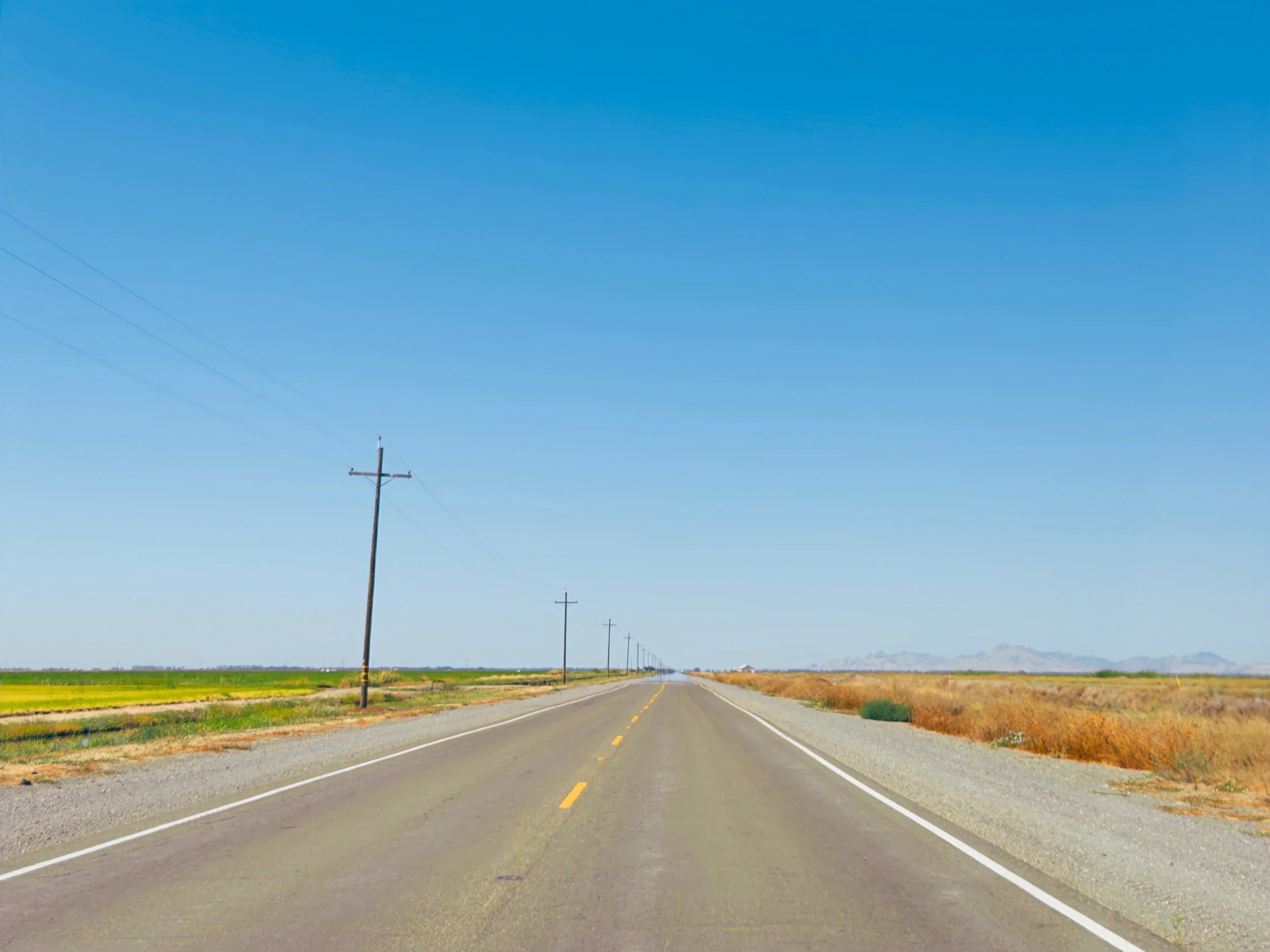
Scouting dove fields in the Central Valley - photo by Peter Burnham
September 1 in the Central Valley is a heat problem disguised as a hunting trip. The dove openers I grew up on taught me that the difference between a great opener and a miserable one is mostly decided the night before, at the tailgate, when you either packed for a 95-degree sit in a cut grain field or you didn't. The shooting is the easy part to get excited about; the loadout is what lets you still be there, functional and safe, when the mid-morning flight comes through.
This is the what-goes-in-the-truck-and-vest piece for that specific morning. One honest note up front: I'm packing this year's opener the way I've packed them since I was a kid — except still without a dog of my own. My Brittany pup comes home next spring, which means this is the last September I load a truck with no dog box in it, and I've thought about that more than I expected to. The dog section below is written for your dog, not mine, and it leans on people who actually run one.
What September 1 Actually Demands
Dove hunting is a sitting game, not a walking game — you pick a flight line on a field edge and let the birds come to you — and that inverts the usual upland packing logic. Weight matters less. Heat management, volume of shells, and bird care matter more. Everything below follows from those three.
Shells: a Case, Not a Box
The limit is 15 birds and nobody shoots a limit with 25 shells — plan several boxes for a morning and bring a case if the second day is in play. Nonlead is the law statewide, no exceptions, and the shelf math this late in August is not in your favor; if you haven't bought yet, go today. What to buy and why — steel 6s and 7s versus bismuth, and what each does at 25 yards — is its own piece. The case rides in the truck; a box and a half rides in the vest at a time. My Citori and I have settled our differences on this: reloading the vest at the truck every hour beats hauling ten pounds of shells through stubble.
The vest itself is the organizing principle of the whole kit — shell loops or pouch, game bag, water bottle pockets. How I'm setting mine up got its own piece last week.
Water Math
Here is the number people get wrong. For a morning sit in 90-plus heat, a gallon per hunter is the floor — drink before you're thirsty, starting in the dark — and a full-day opener wants closer to two. Freeze half your bottles the night before; they're ice packs at 6 a.m. and cold water at 11. For the dog, carry separate water and more of it than you carry for yourself — the heat-safety piece runs the dog-side numbers and the warning signs, and it's required reading before you bring any dog to a September field. Nobody has ever driven home from a dove field wishing they'd brought less water.
Shade, a Seat, and a Bucket
You will be stationary for three hours in a field that offers no shade of its own. Solve it deliberately:
A stool or a five-gallon bucket with a swivel seat lid — the bucket doubles as shell-and-bird carrier and keeps you low to the stubble line.
Set up on the shaded side of whatever the field edge offers — a tree line, a tall levee berm, the truck itself as a last resort.
A brimmed hat and lightweight long sleeves beat sunscreen alone; sunscreen for what the shirt doesn't cover, applied in the dark before the birds fly. Sweat and 10 a.m. sun will find every spot you skipped.
Paperwork You Can Produce
License, upland game bird validation, HIP — current, all three, and checkable in two minutes tonight against the 2026-27 regulations rundown we published yesterday. On phone versus paper: CDFW has been moving toward electronic license display, but verify the current rule on CDFW's licensing page before you rely on your phone — and I'm carrying the paper in a zip bag regardless, because a dead battery at a warden check is a self-inflicted problem. Pro tip - photograph your license the night before anyway; the photo settles questions even when it isn't the legal instrument.
The Bird Cooler
A dove left in a hot game bag turns fast. Small cooler, real ice, in the truck bed — birds go in during the mid-morning lull, not at noon when you pack up. Draw or at least crop-check birds before they go on ice if the day runs long. This is the part of the loadout my childhood openers actually drilled in: the birds you treat carelessly at 9 a.m. are the tacos you regret at 7 p.m.
The Dog Side, Honestly
I don't run a dog yet, so take this section as assembled from watching people who do — including what Peter packs for Alan — rather than from my own handler's kit. The non-negotiables every credible source agrees on: dedicated dog water and a bowl, shade the dog can actually reach, a hard quit-time based on temperature rather than bird count, and a plan for the retrieve-heavy first hour when the dog works hardest. The heat-safety piece is the protocol; Peter's full kit rundown for Alan is the packing list. If it's pushing 95 by mid-morning — and on September 1 in the valley, it will be — the dog's morning ends before yours does.
Snakes at the Canal Edge
The named caveat for this whole cheerful checklist: the places dove fields concentrate hunters — canal banks, riprap, the weedy margins where irrigation meets stubble in the Colusa Basin rice country — are exactly where rattlesnakes are lying up in September. Watch where you set the bucket in the dark, watch where the dog drinks, and keep water breaks on bare ground you can see. A loadout can't fix inattention, and neither can this article.
Load It Tonight
The whole point of a loadout piece is that none of this happens at 4:30 a.m. Truck loaded the night before, vest staged, bottles in the freezer, paperwork checked. Where to point the loaded truck is the other half of the problem — the dove cornerstone covers fields and flight lines, and the Yolo Bypass safflower edges get crowded enough on opening morning that arriving early is part of the loadout too. See you out there.
Matt Gehrmann grew up hunting the Central Valley for pheasant, quail, and dove, and is based in the Bay Area. Read more → · Subscribe to the weekly digest →