
California Dove Regulations 2026-27: HIP, Limits, Lead-Free Zones
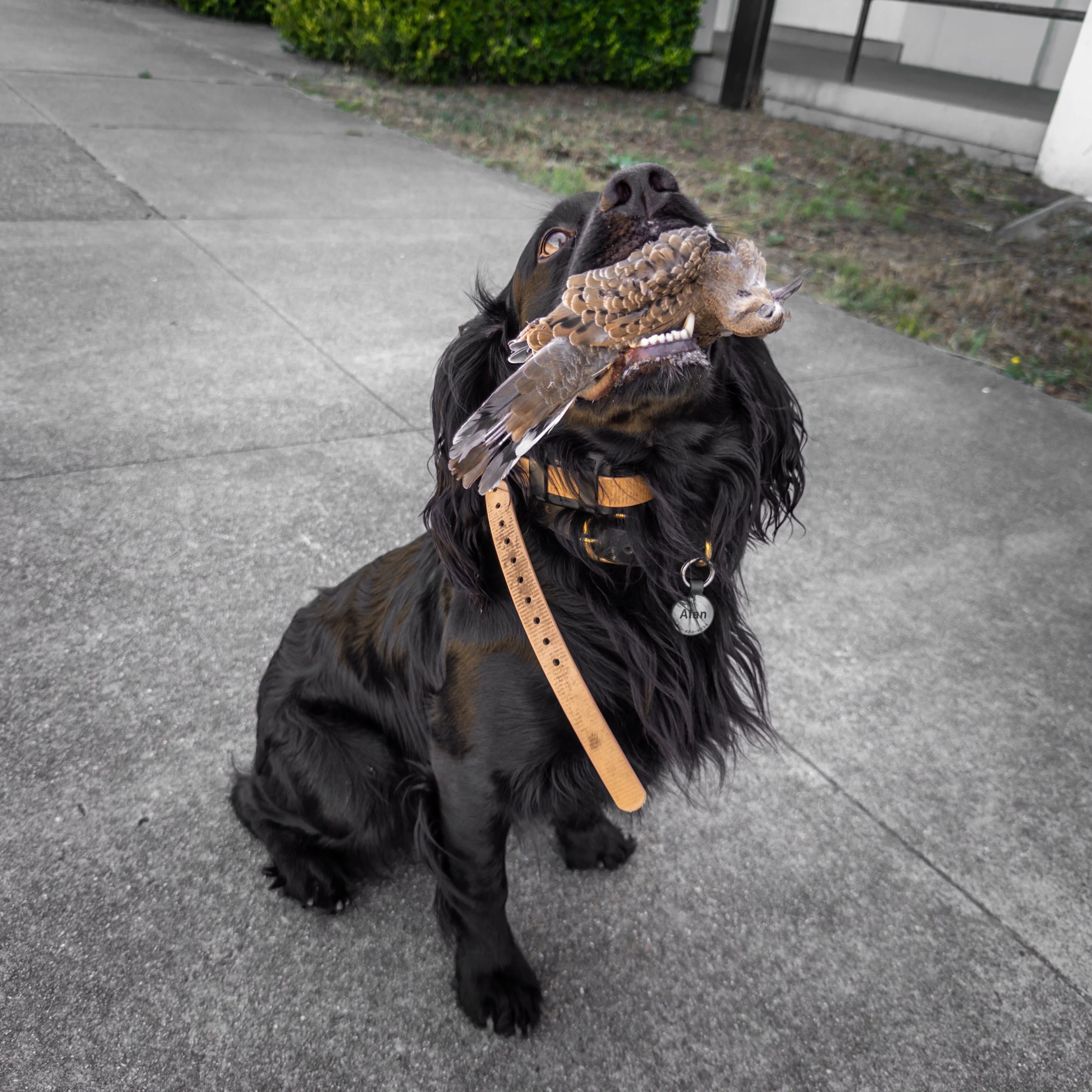
Alan found a pre-season dove - photo by Peter Burnham
Two weeks from now, somebody is going to be standing at a tailgate outside a Sacramento Valley safflower field at 5:40 a.m. discovering that the one thing they forgot wasn't shells or water — it was a free line item on their license. This piece exists so that somebody isn't you. The California dove regulations for 2026-27 are final; the rulemaking cycle that was still open when we covered it in the spring has closed, and what follows is the consolidated pre-opener check: dates, limits, HIP, licenses, and the nonlead rule, in one place.
One thing before the details, and it's the named caveat that governs everything below: we are the reminder, not the authority. The CDFW upland and migratory game bird regulations are the authority, and the booklet for the 2026-27 season is what you verify this article against — not the other way around. Regulations shift year to year; the booklet in your vest pocket, or the current page on your phone, settles every question this summary raises.
How the 2026-27 Dove Season Gets Its Shape
California doesn't set dove seasons alone. Mourning dove (Zenaida macroura) and white-winged dove (Zenaida asiatica) are migratory game birds, so the U.S. Fish and Wildlife Service's annual Migratory Bird Hunting Frameworks set the outer bounds — maximum season length, maximum bag — and the state fills in dates and zones inside that envelope through the Fish and Game Commission. The Pacific Flyway Council, where California sits with the other western states, feeds banding data, harvest surveys, and population trends into those frameworks. It's worth knowing the plumbing, because it's the answer to why the season looks the way it does: the numbers below aren't arbitrary, they're what the flyway's data will support.
The Season: Two Segments
California's dove season runs in two segments. The first opens September 1 — fixed, the date every California hunter knows — and runs roughly the first two weeks of the month, through September 15 under the framework California has historically adopted. The second segment lands in November–December, picking up the late-season birds after the early flights have moved through. The Sacramento Valley cut-grain hunter and the Imperial Valley wheat-stubble hunter are both hunting the same statewide segments; what differs by geography is the birds, not the calendar. Confirm the exact closing dates in the booklet — segment boundaries are the detail most likely to drift a day or two between seasons.
Shooting hours are one-half hour before sunrise to sunset. Note the difference from the pheasant hours you may be used to — and note that legal light and shootable light are not the same thing on a gray September morning.
The Daily Bag, and the Collared-Dove Exception
The daily bag is 15 mourning and white-winged dove in the aggregate, with a sub-limit of no more than 10 white-winged dove, which matters in practice only in the special southeast zone — Imperial Valley and the Colorado River country — where white-wings are a real fraction of the bag. Possession limit is triple the daily bag. For the Yolo Bypass safflower hunter, the working number is simply 15 mourning dove.
Eurasian collared-dove (Streptopelia decaocto) are the useful exception: unprotected in California, no season, no limit, and they do not count toward the daily bag — but only when they're identifiable as collared-doves. That last clause is the one warden contacts get written over. A collared-dove is noticeably larger and paler than a mourning dove, with a squared tail and the namesake black half-collar; in the hand, unmistakable. At 30 yards against a bright sky, less so. The honest rule the regulations imply: if you can't call the bird before the shot, count it against your 15. Nobody has ever been cited for counting a bird they didn't have to.
HIP: the Two-Minute Validation
HIP — the Harvest Information Program, a joint effort of USFWS and the state agencies — is the free validation every migratory bird hunter in California needs, dove hunters included, regardless of age or license type. When you add it, you answer a short set of questions about last season's migratory bird harvest. Those answers put you in the national sampling frame biologists draw on to estimate harvest and set future frameworks — the same frameworks in the first section of this piece. HIP is not a fee and not a formality; it's the harvest-survey machinery that keeps a 15-bird limit defensible.
Add it in about two minutes through CDFW's online licensing system or any license agent. If you bought your 2026-27 license in July and skipped past the migratory bird questions, log back in and check — the tailgate on September 1 is the wrong place to find the gap.
Licenses and Stamps: the Full Stack
For a dove hunter, the 2026-27 paperwork stack is three items:
A current California hunting license (the 2026-27 license year began July 1 — last year's license is expired).
The upland game bird validation, which California requires for dove alongside the resident upland species. It's the $10 that funds habitat work across the state — we've written about where that money actually goes.
HIP validation, per the section above.
A federal duck stamp is not required for dove — that's waterfowl-only. Junior license holders check the current booklet for their validation requirements rather than assuming; the exemptions have shifted over the years.
Nonlead, Statewide
Since July 2019, nonlead ammunition has been required for taking any wildlife with a firearm anywhere in California — every dove field, public or private, no exceptions. This is settled law, not a zone-by-zone question anymore, and the 2026-27 season is no different: steel, bismuth, or tungsten in the dove field, full stop. CDFW's nonlead ammunition page covers the certification details. For what nonlead actually means at dove ranges — shot sizes, chokes, and the pattern-board work worth doing before the opener — our bench patterning piece has the protocol, and the supply advice stands: the shelves thin out fast in the last two weeks of August.
Why the Framework Holds
It's easy to read a regulations summary as bureaucracy. We'd argue the opposite: this framework is one of the better examples of hunter-funded science working as designed. The Pacific Flyway Council's population data, the harvest estimates HIP answers feed, the Pittman-Robertson excise dollars from every case of dove loads sold this month, and the $10 upland validation all point the same direction — toward a September 1 that keeps happening because the take is measured, the habitat is funded, and the frameworks are grounded in real numbers rather than guesswork. Reading the booklet carefully is the smallest, most direct way a hunter participates in that system.
The Pre-Opener Check, In Order
Run it now, not opener eve: license current, upland validation on it, HIP on it, nonlead shells in hand, season dates and the white-winged sub-limit confirmed against the CDFW regulations for your zone. Then go back to the fun part — the dove cornerstone covers birds, fields, and tactics, and more of our regulations and funding coverage lives in the Conservation archive.
The booklet is the authority. We're just the ones reminding you to read it.
Matt Gehrmann grew up hunting the Central Valley for pheasant, quail, and dove, and is based in the Bay Area. Read more → · Subscribe to the weekly digest →