
Patterning Nonlead Shot before the 2026 California Dove and Quail Openers: A July and August Range Session Plan
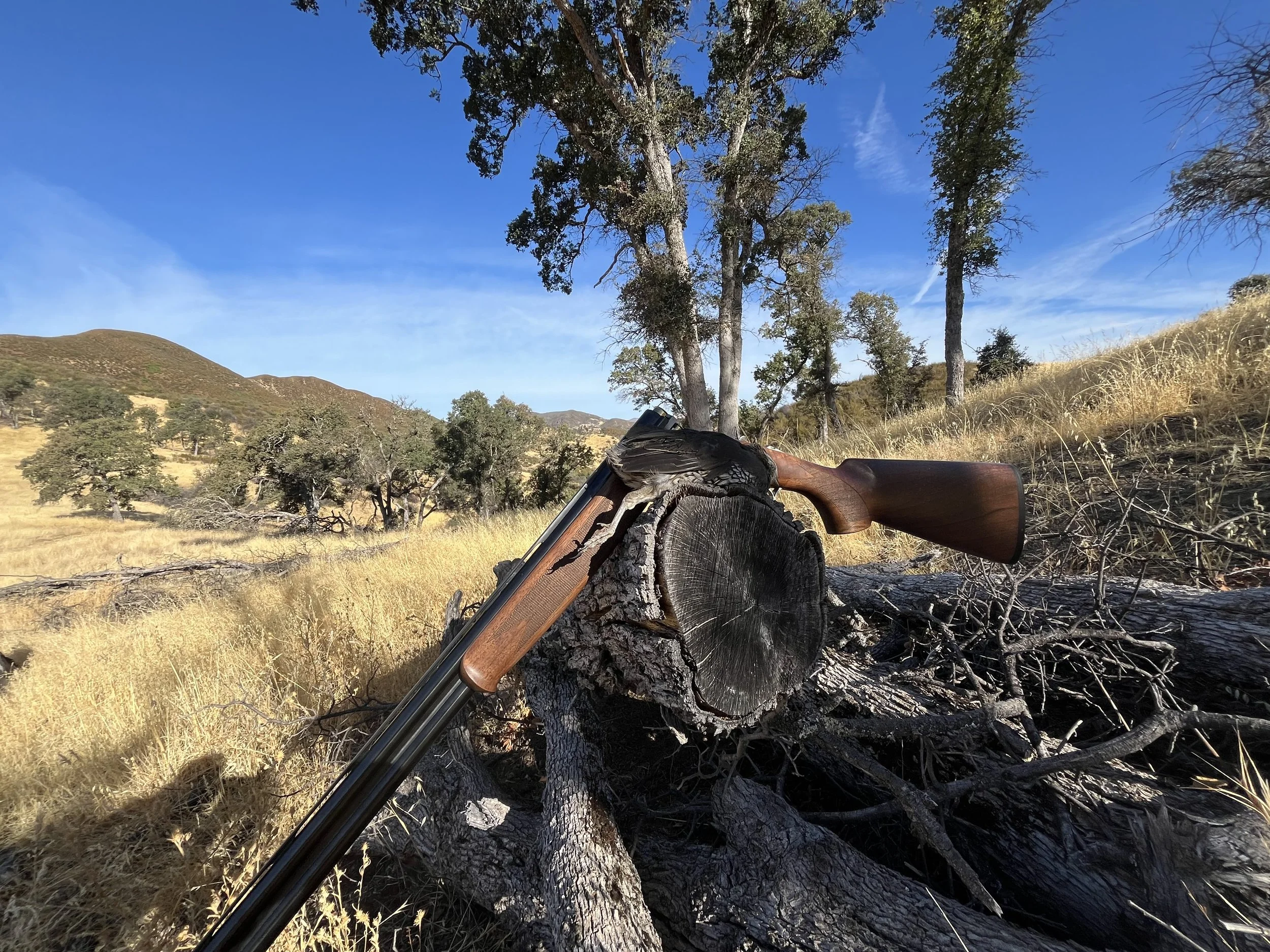
The 2026 California dove opener falls on September 1 and valley quail opens October 17, which puts the pre-season patterning window squarely in July and early August. For hunters running nonlead shot — mandatory statewide for all hunting since 2019 — a July range session is the difference between an educated shell choice and a Labor Day guess. This planning guide lays out how to structure a single afternoon at the pattern board to answer the questions that matter for dove: which nonlead shot, which choke, and at what range does the pattern actually break down.
Why July, and Why Patterning Matters More with Nonlead
Nonlead patterning is the single biggest gear variable a California upland hunter can control. Steel shot patterns tighter than lead of the same nominal choke, bismuth patterns closer to lead at higher cost, and tungsten-based loads sit between. However, tungsten is near impossible to be had since it’s used in military munitions and it’s all going to global war efforts. Without a pattern board, effective range on the dove opener is a guess — and mourning dove is a small-target species that punishes a marginal pattern.
The CDFW nonlead ammunition rule applies statewide, including dove. A July patterning session works because summer weather is stable, ranges are quiet, and there is time to reorder if a favored load underperforms. Pair this with the pre-opener shotgun fit check — fit and pattern are the two pre-season shotgun jobs.
A One-Afternoon Patterning Plan for Dove
Bring three shells of each candidate load, three chokes (improved cylinder, modified, and improved modified), and a stack of pattern paper large enough for a 30-inch circle. At our range a metal panel and house paint is set up to make patterning convenient. Shoot from 25 yards for the opener close-range check and 35 yards for the pass-shooting range that separates loads. For each shell/choke combination, fire three shots and count pellet hits inside the 30-inch circle. A pattern that puts fewer than 100 pellets in the circle at 35 yards is a shell to leave at home.
Prioritize two shell classes:
Steel #7 or #7.5 — the workhorse for California dove, cheap, widely available. Federal Prairie Storm FS steel and Kent Fasteel are the reference loads.
Bismuth #7 — Boss Shotshells and RST both publish bismuth dove loads. Patterns closer to lead, at roughly triple the price per shell.
Optional (if you can get it and you’re rich): Tungsten-blended #8 or #9 — Federal Heavyweight TSS blends for dove are the tightest patterning nonlead option. Overkill for many hunters, but relevant for pass-shooting.
The rule of thumb for dove: whichever combination puts at least 120 pellets in the 30-inch circle at 35 yards, with even distribution, is the shell for opening morning. Anything tighter is a bonus. Anything looser needs a choke tightening or a shell swap.
Reading the Pattern and Making the Call
An even pattern matters more than a tight one. A modified-choke bismuth load with 130 pellets evenly spread across the circle will kill more dove cleanly than a full-choke steel load with 160 clustered in the center and gaps around it. Look for holes larger than an outstretched hand — those are the gaps a dove will slip through at 35 yards. Log the winning combination on a tag in the shell bag. See the Project Upland patterning primer and the nonlead ammo planning guide for the broader California context.
Conservation tie-back
The nonlead transition was driven by measurable lead exposure in California condor and other scavenger populations documented in USFWS raptor lead-exposure studies. Every hunter who patterns a nonlead load in July is contributing to that outcome — a well-patterned shell puts pellets in the bird instead of over the ridge. Buy the Upland Game Bird Stamp alongside the shells: stamp revenue funds the CDFW habitat work that puts birds within range.