
Nonlead Ammunition for California Upland Hunters: 2026-27 Supply Planning
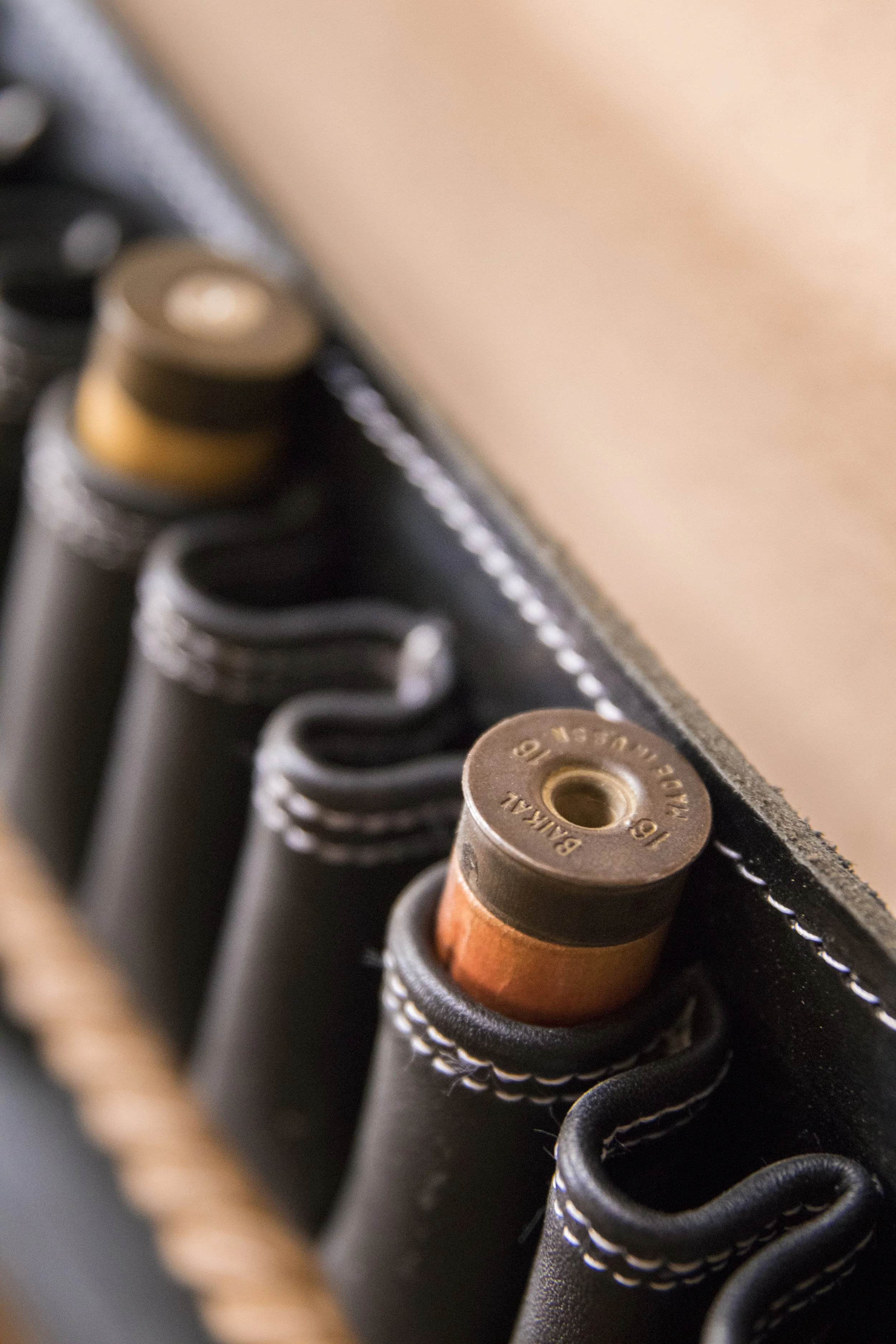
Photo: Ivan Radic / CC BY 2.0 — source

The shelf you want to stare at in April is not the one with new boots. It is the ammo aisle. Nonlead ammunition for California upland hunting has been mandatory for every firearm harvest — dove, quail, pheasant, chukar, grouse, band-tailed pigeon — since July 2019. Seven seasons in, supply still wobbles on the shot sizes NorCal hunters actually use. Sorting that out now beats a September scramble.
What Counts as Nonlead
CDFW's rule is simple: no lead in the projectile. For upland that means steel, bismuth, or tungsten-based loads — TSS, HD, ITX, and similar alloys. Steel is the cheapest and most common; bismuth is the closest to lead in density and pattern; tungsten-based loads pattern tightest and cost the most per shell. TSS has also become almost impossible to find since it’s also used for military munitions. California's nonlead regulation page is the final word on compliance.
Shot Sizes That Actually Work in NorCal
For mourning dove, 7.5 or 8 steel through an improved-cylinder or modified choke does the job inside 35 yards. Bismuth 7.5 extends that envelope and is the load of choice if you are pass shooting tall birds over a cut sunflower field in the Sacramento Valley. California quail call for 7.5 or 6 steel, or 7 bismuth, through IC or modified. Chukar and pheasant step up to 5 or 4 steel, or 5 bismuth, through modified. Band-tailed pigeon takes heavier shot than most hunters expect — 6 or even 5 in bismuth, because the bird is larger and denser-feathered than a mourning dove.
Supply Timing
Bismuth and specialty steel in 7.5 and 8 move first off shelves in August and September. Dove-sized loads in bismuth have been the tightest bottleneck three of the last five seasons. If you burn through a case of bismuth dove loads in a normal year, put the order in by June. Check local shops in Chico, Redding, and the Sacramento Valley before ordering online — in-state inventory matters when specialty steel shows up on a truck and sells the same week.
The Conservation Story Behind the Rule
California's nonlead rule exists because lead shot and bullet fragments were a documented primary cause of California condor mortality, and a contributor to bald eagle, golden eagle, and raven lead exposure across the Central Valley and foothills. Seven years in, blood-lead levels in scavenging raptors across the state have trended down. That is the quiet win California upland hunters paid for with a slightly higher shell cost.
Internal links:
External links:
Matt Gehrmann grew up hunting the Central Valley for pheasant, quail, and dove, and is based in the Bay Area. Read more → · Subscribe to the weekly digest →
Peter Burnham grew up in Nevada hunting chukar in the Sierras and dove in the valleys and hunts behind Alan (a three-year-old English cocker). Read more → · Subscribe to the weekly digest →