
Your Upland Stamp at Work: California's $10 Validation Funds Wild Bird Habitat
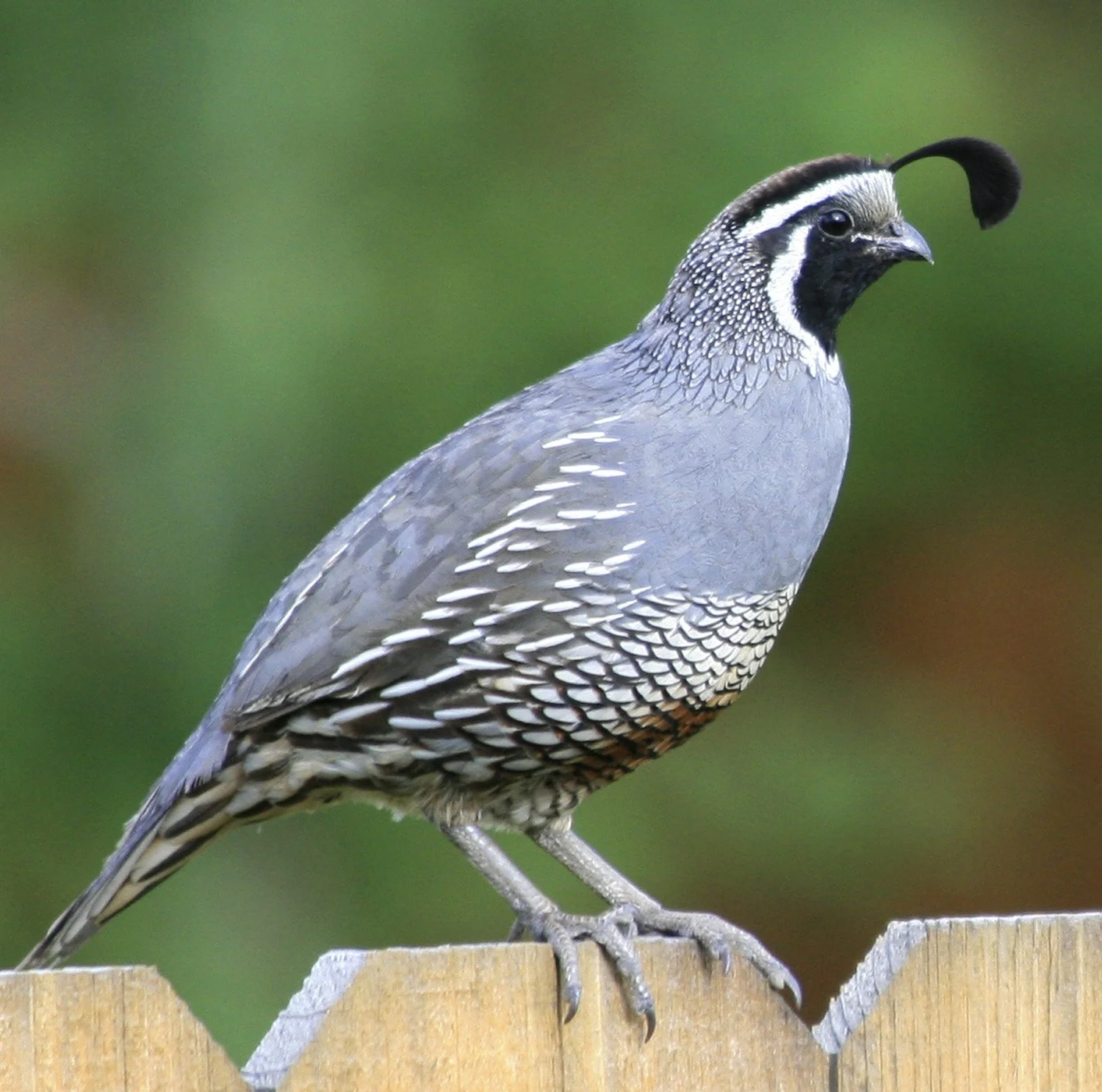
Photo: Oregon Department of Fish & Wildlife / CC BY-SA 2.0 — source
_(cropped).jpg)
Every fall, when you pick up your California hunting license, you add a small line item: the upland game bird validation. Ten dollars. Easy to forget by the time you're stacking steel loads and checking boot laces in the parking lot at Upper Butte Basin. But that $10 doesn't disappear into a general fund. It goes directly to work on the ground — funding the habitat that produces the birds you're after.
Here's exactly where it goes.
The Fund Behind the Birds
The Upland Game Bird Account is a dedicated fund built from the sale of upland game bird validations and stamps. California's Department of Fish and Wildlife (CDFW) administers it through a competitive grant program, awarding money to projects that create or restore upland habitat, expand public hunting opportunities, and support wildlife outreach. Private landowners, nonprofits, and California Native American tribes are all eligible to apply — which means the fund reaches private land that hunters rarely see but that birds use all year.
For the 2025–26 fiscal year, CDFW is actively soliciting proposals through a related program, the Nesting Bird Habitat Incentive Program (NBHIP), which was created specifically to address declines in locally breeding waterfowl and ring-necked pheasant. The program was established by Assembly Bill 2697 and funded by Assembly Bill 614, which added the $10 surcharge to upland validations in October 2021.
This cycle, $850,000 is available: $150,000 for maintaining existing perennial grass habitat, and $700,000 for restoring or enhancing perennial grass systems — the dense, native bunchgrass and forbs that quail and pheasant need for nesting cover.
Why Perennial Grass Matters
Perennial native grasses — blue wild rye, purple needlegrass, deergrass — provide structure that annual grasses can't. They hold through summer when nesting birds are most vulnerable, offer insect-rich understory for chicks, and stay in place year after year without replanting. In the Sacramento Valley and surrounding foothills, this habitat type has declined sharply as agricultural land use changed and invasive annual grasses crowded out natives.
Ring-necked pheasant populations in California have been trending down for decades. The Sacramento and San Joaquin Valleys still hold birds, but the numbers are a fraction of what they were in the mid-20th century. NBHIP targets this problem directly — not with pen-raised birds, but with the cover that allows wild birds to nest and raise broods.
What This Means for Hunters
The validation fee is one of the cleanest conservation investments available to a California upland hunter. It's a direct transaction: you buy the stamp, CDFW directs the dollars to verified habitat projects, those projects produce more birds. No overhead guesswork, no middleman.
If you want to track where NBHIP and Upland Game Bird Account grant dollars are going — which projects are funded, which properties — CDFW publishes the project list at wildlife.ca.gov/Grants/Upland-Game-Bird/Projects. It's worth an hour of your off-season reading.
The birds don't fill coveys by accident. The $10 helps.
Internal links:
External links:
Matt Gehrmann grew up hunting the Central Valley for pheasant, quail, and dove, and is based in the Bay Area. Read more → · Subscribe to the weekly digest →
Peter Burnham grew up in Nevada hunting chukar in the Sierras and dove in the valleys and hunts behind Alan (a three-year-old English cocker). Read more → · Subscribe to the weekly digest →