
Where to Camp Opener Weekend: Sac Valley CDFW Areas
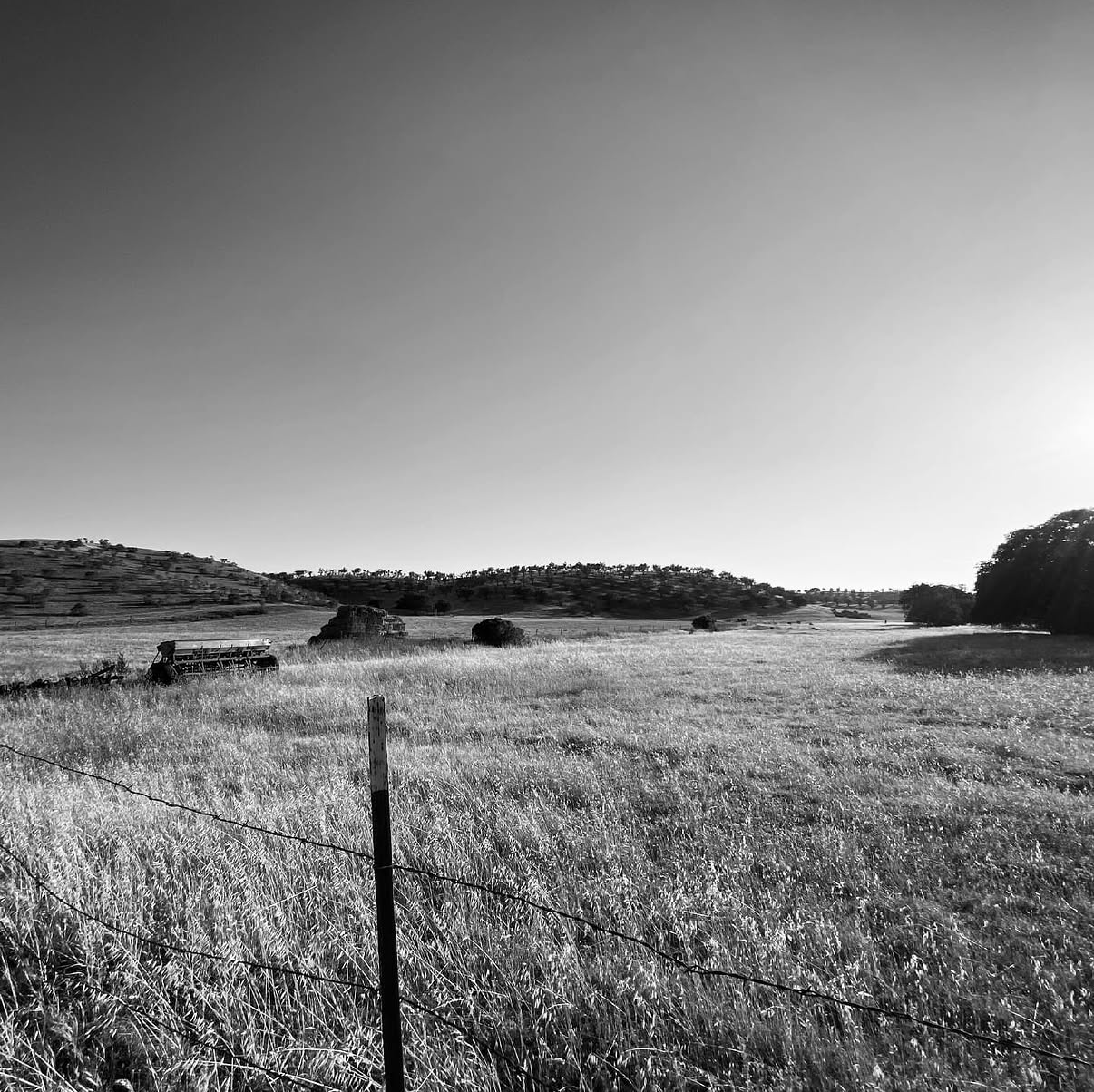
We haven't camped a Sacramento Valley dove opener ourselves — my beat runs to chukar country, the Central Coast, and SoCal, and September 1 has never yet found us with a tent pitched in the valley. So take this piece for what it is: the planning file we built while answering the question for our own opener-weekend shortlist. And it's a question worth answering in advance, because the Sacramento Valley dove opener has a logistics problem hiding inside it. The fields you scouted in August are day-use ground, legal shooting light comes brutally early, and the difference between a good opener and a bad one is often decided the night before — where you slept, what time the gate opens, and whether there was ice within twenty minutes at 5 a.m. That's the why: the mourning dove (Zenaida macroura) part of opener weekend gets all the coverage, and the sleeping part gets none.
There's a dog in this math too. If Alan makes the trip, "where do we camp" is half a dog question — where he sleeps, where his water lives, and whether camp cools off enough overnight for him to actually recover before a hot morning. A camp that's miserable for the handler at 10 p.m. is a camp that sends a half-rested dog into a 90-degree field.
The Camping Picture on Sac Valley State Ground
Start with the honest headline: most CDFW wildlife areas in the Sacramento Valley prohibit overnight camping. The wildlife-area system is built around day use — hunt it at legal hours, leave at close — and the handful of exceptions and special arrangements shift with area-specific regulations. So we're not going to hand you a table of "areas that allow camping," because a table like that goes stale the season after it's published and a wrong row strands somebody at a locked gate on opener eve. The pattern to follow instead: pick your hunting area first — the big Butte Sink and valley-floor names like Gray Lodge Wildlife Area below the Sutter Buttes, or the Upper Butte Basin complex, marsh-and-upland ground with seasonal dove plantings the area pages list — then read that area's page on CDFW's lands site, and call the regional office if the camping line is ambiguous. "The area page says" and "the office told us" are the only two sources that count here.
What the research says fills the gap around the day-use default is a three-tier pattern:
State and county campgrounds on the river. The Colusa-Sacramento River State Recreation Area sits in the town of Colusa on the riparian cottonwood bend of the Sacramento River, centrally placed for the valley's dove country; county and municipal river parks fill similar niches. Reservation systems and current status change — check before you drive.
Federal dispersed ground west of the valley. The Mendocino National Forest climbs out of the valley's west side, and both USFS and BLM ground in the foothills generally allow dispersed camping under each unit's rules (fire restrictions in September are the make-or-break detail — verify current orders). The tradeoff is distance: you're trading a free, quiet camp for a longer dark drive down to the valley floor.
Commercial camps and RV parks. The valley towns — Williams, Colusa, Gridley, Yuba City — carry private campgrounds and RV parks that hold the boring advantages: showers, ice machines, and a short drive. On the biggest hunting weekend of the valley's summer, the accounts we've read say book early.
The Shooting-Time Math
Here's the calculation that should actually pick your camp. Dove shooting hours run from one-half hour before sunrise to sunset — confirm the exact table in the 2026-27 CDFW upland game bird regulations — and on September 1 in the Sacramento Valley that puts legal light at roughly 6:05 a.m. Now run it backward from a campsite 30 minutes out: in position by 5:50, parked and walking by 5:30, out of camp by 5:00, up at 4:15 if there's coffee involved. A camp 60 minutes out moves the alarm to 3:45 and adds an hour of dark driving with other hunters' headlights doing the same thing. The named caveat, though, cuts the other way: a close camp doesn't buy you birds — scouting does, and a well-scouted field 45 minutes from your tent beats an unscouted one you can see from it. The drive-by field-prep methodand the field-crop decoder are the pieces that earn the campsite its value.
Gates and Check-Ins
The second timing layer sits at the area boundary. Wildlife areas control entry differently — some gates open well before shooting time, some areas require entry permits or run check stations on high-pressure days, and Type C areas typically use self-service registration at the parking area. None of that is standardized enough to summarize safely, and getting it wrong on opening morning costs you the flight. The move the accounts agree on: read your area's entry rules the week before, not the morning of, and build the gate time into the math above. Nobody remembers the extra twenty minutes of sleep; everybody remembers standing at a locked gate at legal light.
While you're doing paperwork: 2026-27 dove hunting requires your hunting license, upland game bird validation, and HIP validation, and nonlead shot is mandatory for taking upland game birds everywhere in California. Sort all of it before opener weekend — the dove cornerstone has the full checklist.
Ice and the Resupply Loop
September doves and September heat make ice a consumable, not a convenience — for the birds, for the dog's water, for the humans. The pattern that shows up in every logistics account we've read: buy your ice the evening before in a real town (Williams, Colusa, Gridley, and Yuba City all sit within reach of most of the valley's dove ground), because the closer you get to the fields at 5 a.m., the fewer options are open, and opener morning cleans out what is. Two coolers beat one — birds don't share ice with drinks and dog water. And plan a midday resupply loop if you're staying for the evening flight; a cooler opened twenty times by noon isn't cold at 4 p.m.
What We'll Report Back
This is a planning piece, and the promise that comes with the format: when we camp one — and the shortlist this file produced has us aiming at a river-adjacent camp within a half hour of scouted ground — the field report will say what the research couldn't. Whether the gate math held. Whether the camp cooled enough for the dog. Where the ice actually was. Until then, the method stands even where the specifics will drift: area page first, phone call second, alarm math third, ice always.
Peter Burnham grew up in Nevada hunting chukar in the Sierras and dove in the valleys and hunts behind Alan (a three-year-old English cocker). Read more → · Subscribe to the weekly digest →