
Scouting Summer Dove Fields in California: Reading Sunflower, Safflower, and Grain Edges Before the September Opener
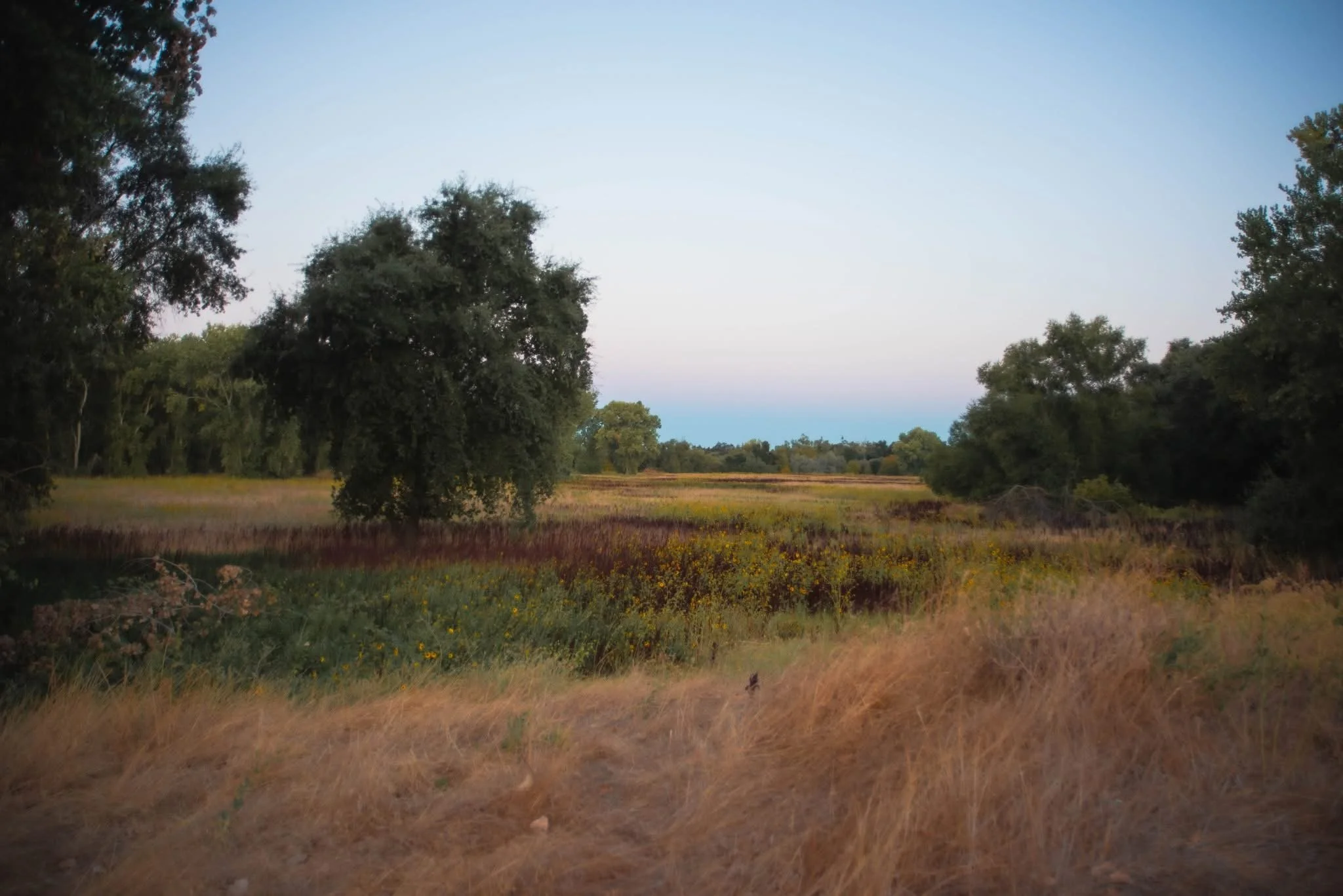
The work that fills a September dove field starts in the heat of July and August, when California's mourning doves settle into a daily rhythm of roost, water, grit, and feed. Scouting summer dove fields is less about walking and more about watching: where birds trade at first light, which seed crops are drying down, and where they line out to drink in the evening. For hunters planning the September 1 opener, the goal is to identify a field doves are already using weeks before anyone is allowed to load a shell. This piece draws on crop calendars and dove biology rather than a scouted season.
What Makes a Summer Dove Field Hold Birds
Mourning doves key on small, accessible seed and bare ground they can walk. In California's Central Valley and foothill margins, that means safflower drying down in midsummer, sunflower heads dropping seed, and the stubble left after a grain or wheat harvest. The most productive summer dove fields pair that feed with three other things doves need within a short flight: open water with a bare muddy edge for drinking, fine grit along a road or levee, and nearby trees or wire for roosting and loafing. A field with feed but no water nearby empties out by midmorning. Reading those four pieces together — feed, water, grit, roost — is the core of dove field scouting.
Scouting California Dove Fields From the Truck and the Map
The most efficient dove scouting happens at dawn and dusk from a vehicle, glassing flight lines without bumping birds off the field. Note the direction doves fly and the pinch points — gaps in a treeline, a gate, a water tank — where they funnel. Pair that with satellite imagery to find dove fields on public ground before driving backroads. Confirm any field's status and access through the CDFW dove hunting page before building a plan around it.
Timing, Crops, and the Opener
California's safflower and sunflower dry-down through July and August is what pulls doves into huntable concentrations right as the season approaches, and the UC Agriculture and Natural Resources crop calendars help anticipate which fields mature first. Watch, too, for recently disced or harvested grain that exposes waste seed. Remember that hunting over certain manipulated crops can cross into baiting under federal migratory bird rules, so understanding how a field was farmed matters as much as how many doves it holds.
Conservation tie-back
Dove fields sit at the intersection of working agriculture and migratory bird conservation. The same Central Valley grain, sunflower, and safflower ground that concentrates September doves also feeds wintering waterfowl, and the Harvest Information Program data hunters provide each year helps biologists track mourning dove populations across the flyway. Scouting and hunting these fields responsibly keeps that working-lands habitat valuable to both farmers and birds.
Matt Gehrmann grew up hunting the Central Valley for pheasant, quail, and dove, and is based in the Bay Area. Read more → · Subscribe to the weekly digest →