
Sacramento Valley Dove Field Prep: A Pre-Opener May Drive-By Method
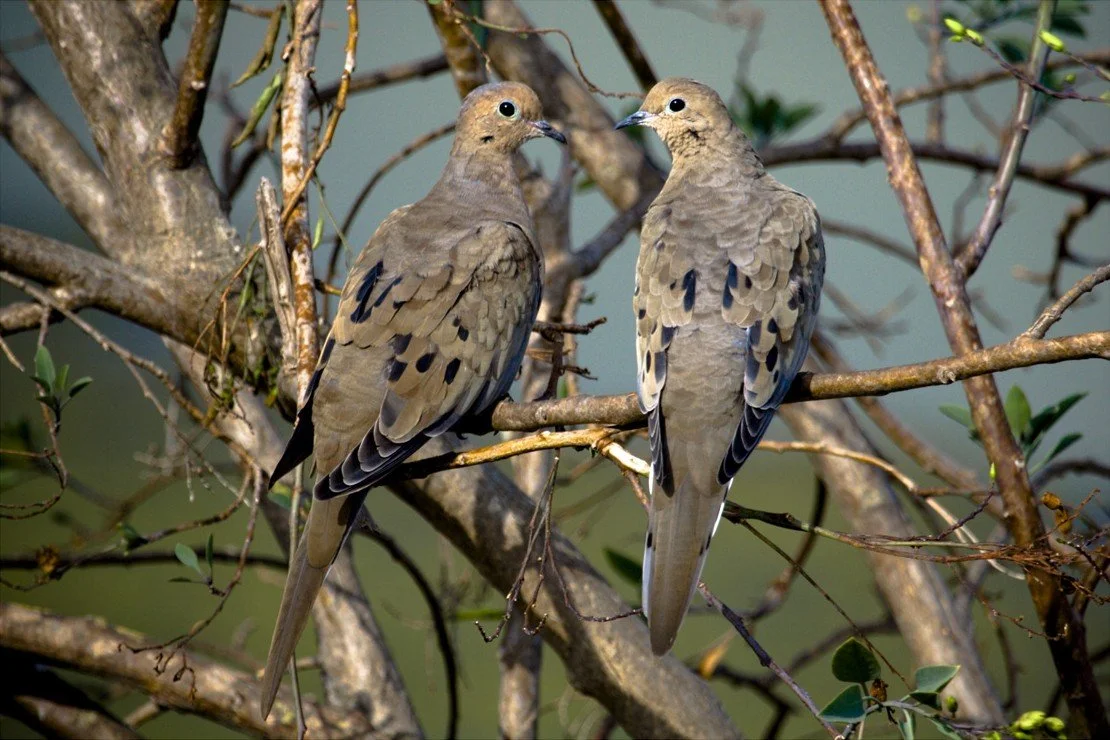
Photo: Sivaprasad R.L / CC BY 2.0 — source
The September 1 dove opener feels distant from the front seat of a truck in May, but it is closer than it looks. Sacramento Valley dove field decisions are made now — by farmers, by refuge managers, by the irrigation calendar — and the hunter who shows up on opening morning to a field full of birds is almost always the one who drove past it three or four times between Mother's Day and the Fourth of July. A pre-opener May drive-by is not a guarantee. It is the start of a season-long read.

Why May, Not August
Mourning doves (Zenaida macroura) are migratory but not in the way ducks are. The locally produced birds that hold a Sacramento Valley field through August are tied to nesting cover, water, and a reliable seed source. The birds that pour through in late August and September on early migration stack on whatever fields are still standing seed-side-up at that moment. Both populations key on the same things: a maturing seed crop, open ground for grit and dust, perch lines for loafing, and water within a half mile.
By May, sunflower and sorghum on most CDFW Type C dove fields and on cooperating private ground are already planted and germinating. The crop you can see at six inches tall in late May is the crop that will be heading out in mid-August — fields drilled later than mid-May rarely make seed in time for the opener. That timing window is your scouting window.
CDFW Type C Fields Worth a Drive-By
The Sacramento Valley public-access dove fields managed by CDFW under the Type C lottery and walk-in programs are the obvious targets. They are not secrets, but they reward early reads.
Upper Butte Basin Wildlife Area (Howard Slough, Llano Seco, Little Dry Creek units): rotating sunflower and milo plots; the southern Llano Seco units run drier and produce earlier seed.
Gray Lodge Wildlife Area: classic Sutter Buttes-edge ground; check the planted ag plots along the southern access road.
Sacramento NWR complex (Sacramento, Delevan, Colusa, Sutter NWR): federal refuges with cooperative farming agreements; the field rotations vary year to year, so a May pass-by is the only way to see what is actually in the ground this season.
Oroville Wildlife Area: Feather River bottom ag and gravel-bar perches; doves use the cottonwood gallery hard.
CDFW lists the Type C fields by August with maps. The May drive-by is what tells you whether to put in for a particular field when the lottery opens.
What a Good May Field Looks Like
Park on the public road and read the field with binoculars. At six weeks of growth — late May, early June for May-planted ground — a sunflower stand should be twenty to forty inches tall, leaves intact, no significant gopher or aphid damage, irrigation lines running. Sorghum and milo at six weeks will look more like coarse grass than crop, but the rows should be filled in. Open dirt between the rows is fine, even good — doves need bare ground for grit and dust. Solid weed cover between rows is a warning sign; a field that is losing the weed fight in May usually loses the seed fight in August.
Look for the perch lines. Power lines, fence wires, dead snags, lone cottonwoods. Doves loaf on wires before and after they feed. A field with a long unbroken wire run on the prevailing-wind edge is a field that pays off on opening morning.
Private Ground and the Politeness Tax
Most of the Sacramento Valley's productive dove ag is in private hands. Ranchers and orchardists who plant sunflower or sorghum often welcome a few hunters on opening day — but only if asked early, asked politely, and asked face to face. May is when to introduce yourself. Knock on the office door, not the house door. Bring a one-page write-up: who you are, what dates you would hunt, that you carry insurance and pick up your hulls. The hunter who shows up Labor Day weekend cold-asking is the hunter who gets turned away.
A Note on the Mosaic
The Central Valley wetland-and-ag mosaic that produces dove fields also produces wintering waterfowl, sandhill cranes, and Swainson's hawks. Sunflower and sorghum plots are not just wildlife magnets — they are working agriculture managed under thin margins. Hunters who treat dove fields as gifts, not entitlements, are the reason the access still exists.
California's mourning dove season opens September 1, 2026, with a fifteen-bird daily bag (mourning and white-winged combined). Nonlead shot is mandatory statewide. Drive the fields in May. The September birds are already deciding where to be.
Internal links:
External links:
Matt Gehrmann grew up hunting the Central Valley for pheasant, quail, and dove, and is based in the Bay Area. Read more → · Subscribe to the weekly digest →
Peter Burnham grew up in Nevada hunting chukar in the Sierras and dove in the valleys and hunts behind Alan (a three-year-old English cocker). Read more → · Subscribe to the weekly digest →