
Planning a Sacramento Valley Dove Opener: What NorCal Hunters Should Do Now
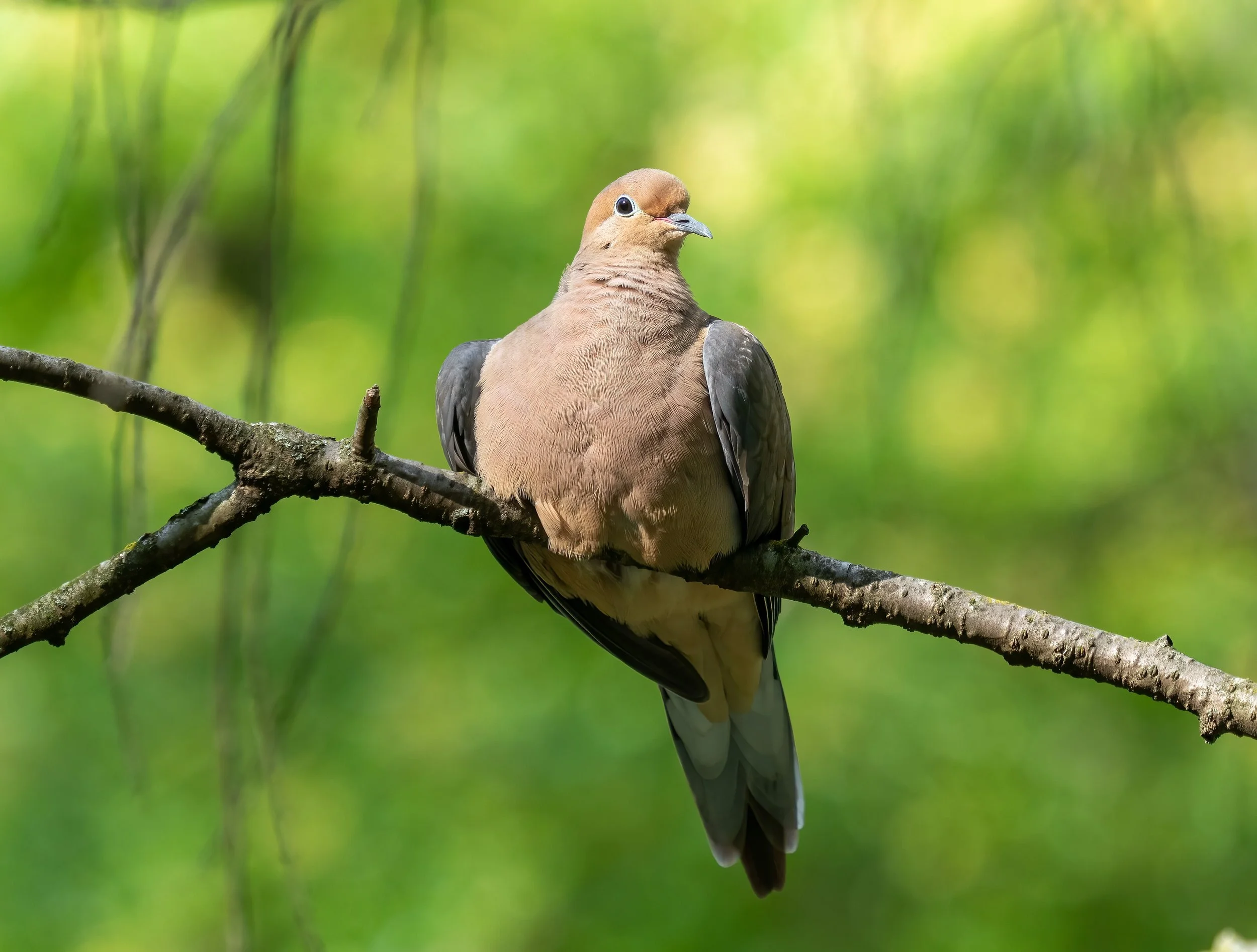
Photo: Rhododendrites / CC BY-SA 4.0 — source
.jpg)
The Sept. 1 dove opener is the first real shooting day on the California calendar, and Sacramento Valley dove hunting sets the tone for the season. Four months out is the right time to start thinking about it — ag rotations are going in now, and by August the crop decisions that decide where the birds concentrate are already locked.
Why the Sacramento Valley Holds Birds
Mourning doves (Zenaida macroura) tie themselves to three things through a NorCal summer: seed, grit, and water. The Sacramento Valley delivers all of them in a concentrated band between the foothills and the river. Harvested safflower and sunflower fields are the headline magnet, but standing milo, stubble corn, and unburned wheat stubble can hold birds just as well once the early-fall cool-down shortens flight windows to dawn and a short evening.
Public Ground Worth Mapping Now
For walk-in opener hunters, the Upper Butte Basin, Gray Lodge, and Sacramento River state wildlife areas offer free-roam dove hunting when the opener aligns with type-A and B area rules. Delevan and Colusa NWRs also open for dove in September. Each of these areas manages cover differently, so the worth of a particular unit shifts year to year based on water deliveries and disking schedules. Check CDFW upland regulations in August for the final dove and validation dates.
Scouting Sequence Between Now and August
Late April through June is a glassing job, not a boots-on-ground job. Drive the county roads around Willows, Williams, and Colusa and note every field where safflower or sunflower is going in. By mid-August those same fields will tell you whether they were cut, left standing, or disked under. The combination of a cut seed field, nearby water, and an approach that keeps the sun behind the shooter is the formula that carries from year to year.
The Dog and the Dove Field
A good retrieve turns a dove field from a numbers game into a meat-in-the-vest day. Early-September heat means short sessions, shaded breaks, and a water bowl in the vest. Gun dogs that will see chukar country in October benefit from dove opener work — it is the cheapest repetition on marking and delivery they will get all year.
Conservation Tie-In
California's dove harvest is tracked through the HIP program and the Upland Game Bird Stamp, which funds habitat work administered under the CA Upland Game Bird Heritage Program. The safflower rotations that hold doves also carry over as winter food for valley quail and pheasant. A dove opener paid for with the stamp is funding the cover those coveys need eight weeks later.
Internal links:
External links:
Matt Gehrmann grew up hunting the Central Valley for pheasant, quail, and dove, and is based in the Bay Area. Read more → · Subscribe to the weekly digest →
Peter Burnham grew up in Nevada hunting chukar in the Sierras and dove in the valleys and hunts behind Alan (a three-year-old English cocker). Read more → · Subscribe to the weekly digest →