
California Pheasant Genetics: What DNA Research Means for the Sacramento Valley
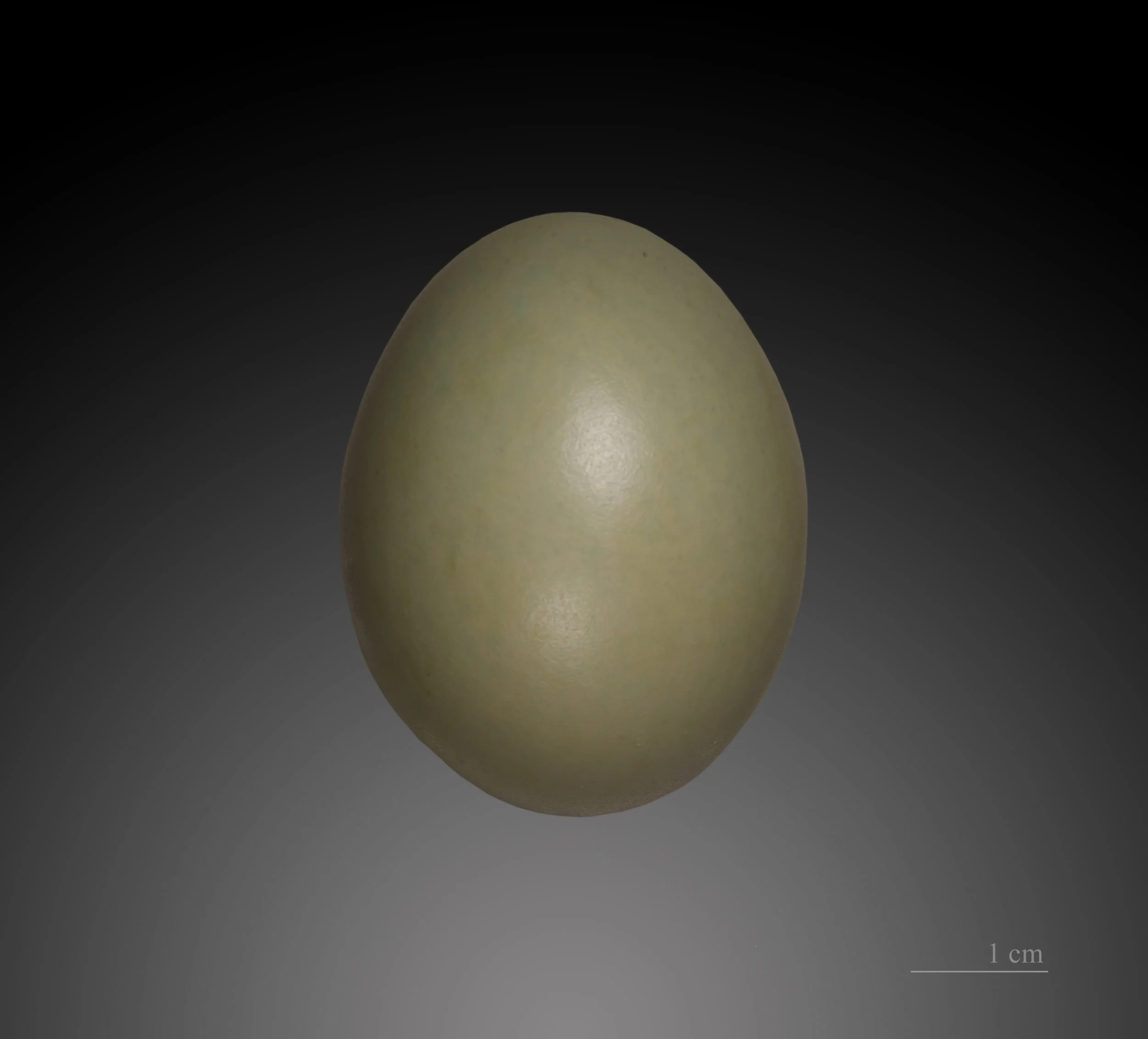
Photo: Didier Descouens / CC BY-SA 3.0 — source

The number that should stop a California upland hunter cold is ninety-four percent. That is the documented decline in the state's wild ringneck pheasant population since 1966. The story of that decline — converted ground, simplified rotations, lost grassland edge — is familiar. The story now driving California pheasant recovery is newer and more interesting: the genetic one.
What the DNA Work Is Showing
Researchers analyzing wild pheasant samples from the Central Valley and Delta have identified small, geographically isolated populations with distinct genetic signatures. These remnant pockets — pieces of the Sutter Bypass, the Yolo Bypass, river bottom country south of the Delta — have not been mixing the way connected populations do. Inbreeding depression and reduced disease resilience become real risks at that scale, even before another wet-spring nest flood or dry-summer brood failure pushes a unit underwater.
The work matters because it changes the recovery menu. Habitat alone is not enough if the surviving birds are too few and too isolated to capitalize when cover comes back. Translocation — moving wild birds between genetically distinct pockets to restore mixing — is now on the table as a CDFW management option in a way it was not a decade ago.
Why It Matters to NorCal Hunters
Anyone chasing wild birds in Sacramento Valley rice country, the bypasses, or the Delta islands has felt this. A property that held birds five seasons ago does not anymore. Another, two miles away, suddenly holds a few. Those movements are partly habitat — flooded ground, plowed cover, drained sloughs — but they are also genetics. The birds the genetic work is identifying are the ones still doing the work of being wild California pheasants.
For hunters, two practical takeaways. First, the wild birds that remain are worth treating as the genetic stock they are — selective harvest pressure, low impact on hen-rich pockets, support for landowners doing nesting cover work. Second, planted-bird hunts at Sacramento, Gray Lodge, and the Yolo Bypass Wildlife Area are a separate experience, and rightly so. Wild ringnecks here are now closer to a sensitive species than to a put-and-take game bird.
Habitat Programs That Carry the Recovery
Genetic mixing only works if there is somewhere to mix. The California Waterfowl Upland Management Agreements program, CDFW's Upland Game Bird Program, and the Nesting Bird Habitat Incentive Program all fund the grassland and edge-cover work that wild pheasants need to expand back into the country between today's isolated pockets. Hunter dollars — license fees, the upland stamp, federal Pittman-Robertson — are the funding floor under all of it.
A pointing dog working a Sutter Bypass corn edge is hunting a bird whose recovery is now both a habitat problem and a genetic one. The science has caught up. The habitat work has to keep pace.
Internal links:
External links:
Matt Gehrmann grew up hunting the Central Valley for pheasant, quail, and dove, and is based in the Bay Area. Read more → · Subscribe to the weekly digest →
Peter Burnham grew up in Nevada hunting chukar in the Sierras and dove in the valleys and hunts behind Alan (a three-year-old English cocker). Read more → · Subscribe to the weekly digest →