
Nonlead Shot for Dove: What Works at 25 Yards
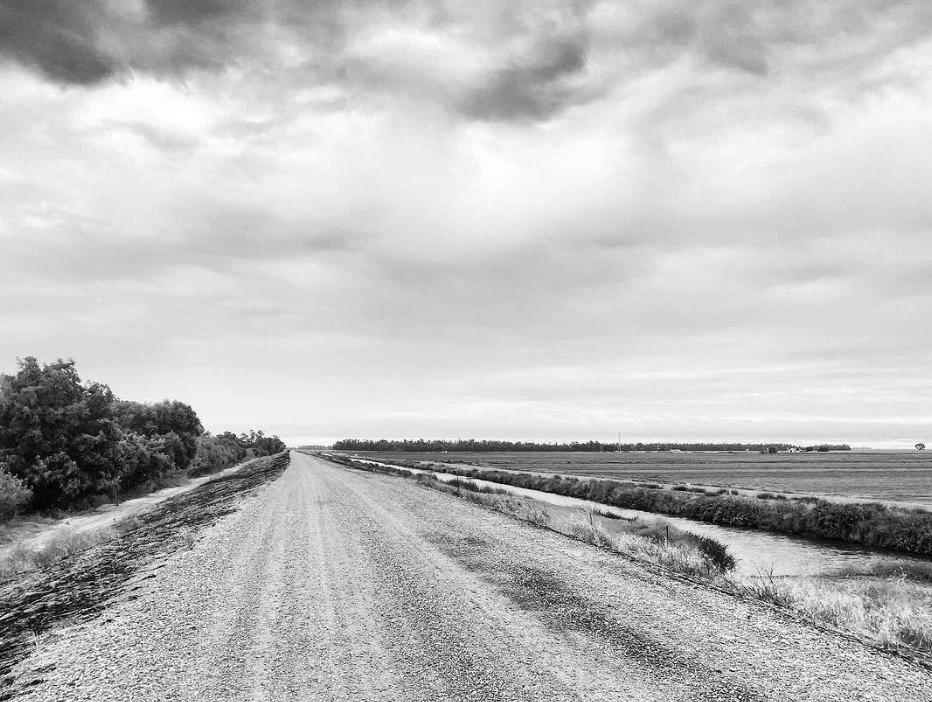
The dove shot is a 25-yard crossing shot. Not always — there's the incomer that flares at the last second, the high passer you should probably let go — but the bird that fills a Central Valley strap vest on September 1 is a mourning dove (Zenaida macroura) cutting past a safflower edge at 25 yards, moving like it's late for something. I grew up on that shot. What I didn't grow up on is nonlead, and nonlead is the law for taking upland game birds everywhere in California, with no exceptions. So this spring I put the question on a pattern board instead of guessing: what does a nonlead load actually deliver at the range where dove actually die?
The honest disclosure first, per house rules: my bench time is real — the May patterning session is where most of what follows comes from — but I haven't yet run a full dove season on the specific loads discussed here, and I'm not going to tell you what "I shoot" until I have. What I can tell you is what the pattern board says, what the published data supports, and what I'm planning to feed my Browning Citori come opening morning. When my Brittany pup arrives next spring, she'll inherit whatever answer this season produces; for now I walk my own birds down, which is its own argument for clean kills over long pokes.
What a 25-Yard Dove Asks of a Nonlead Pattern
A mourning dove's vital area is small — call it a three-inch target inside a bird you could hide in your hand — and it's usually moving 30 to 40 miles an hour. That combination sets the requirement: a dense, even pattern with no fist-sized holes at 25 yards, carrying pellets that still have enough energy to break a wing or reach the boiler room. It does not require big pellets. It requires many pellets, arriving together.
That's why the nonlead conversation for dove is different from the pheasant and chukar conversation in our nonlead supply-planning piece. Dove hunting is a density game at modest range, and density at modest range is the one thing affordable nonlead does well.
Steel: Sixes and Sevens
The old rule of thumb — go up two sizes from your lead load — points a lead-8 dove hunter at steel 6. The pattern board and the published tables suggest the better dove answer is often steel 7: most published counts put an ounce of steel 7s north of 400 pellets, which is target-load density, and at 25 yards the retained-energy tables say a steel 7 still hits hard enough for a bird this size. Steel 6 is the play if your fields run to longer crossers — fewer pellets, more energy, still plenty of density inside 30 yards.
Two things my bench work backs directly. First, steel patterns tighter than lead through the same choke marking — a modified tube throwing steel often patterns like a lead full. Second, steel's short shot string and hard pellets make even, honest patterns at 25 yards; the gaps show up past 35, which is exactly where a dove hunter should be lowering the barrels anyway. Every account I've read agrees: steel's real limitation on dove is the hunter stretching it, not the shot itself.
Bismuth: the Older-Gun Answer
Bismuth runs about 9.6 g/cc — closer to lead's density than steel's — so it drops back toward lead sizing: bismuth 7s and 8s are the sizes the published dove discussions keep landing on. It's also soft enough for fixed-choke and vintage doubles that should never see steel. If your dove gun is a grandfather's Model 12 or a tight-choked older double, bismuth isn't a luxury; it's the only responsible column on the shelf.
On the board, the bismuth patterns I've scored behave like lead — a touch more open than steel through the same tube, forgiving, even. The catch is entirely at the register, which brings us to the arithmetic.
The Price of a Volume Day
Dove is the volume day of the California season. The limit is 15 birds, and the old joke about shells-per-dove exists because it's true — plan on several boxes, not one, and an honest opener with a second morning behind it wants a case. That's where steel and bismuth stop being interchangeable. As of this summer's shelves, steel dove loads are running well under a dollar a shell; bismuth runs roughly three to four times that. Across the 60 to 75 shells a real limit can consume, that's the difference between a reasonable morning and a car payment.
The way I'd split it — and the way I'm planning to split it, pending my own field results: steel 7s as the volume load for a modern gun with screw-in chokes, a box of bismuth in the vest for the old double or the odd longer field. The dove doesn't know what the shell cost. It only knows whether the pattern showed up.
Chokes: IC First
Because steel tightens roughly a choke's worth, improved cylinder is the starting point for a 25-yard steel dove pattern, with modified in the second barrel for the follow-up shot as the bird gains distance. Bismuth, patterning looser, tolerates modified up front. That's the direction the board points; your barrel is its own opinion. Three shells of your actual load through your actual choke at 25 and 35 yards — the same bench protocol as the May session — settles it in twenty minutes.
One named caveat, and it's the important one: the pattern board measures the load, not the shooter. A perfect 25-yard pattern does nothing for a swing that stops, and no shot size rescues a 45-yard poke at a bird that was never in range. The board tells you the shell is honest. The rest is on you.
Buy in Early August
Here's the supply reality my planning piece warned about in the spring, now arriving on schedule: every dove hunter in California is about to want the same three shelves of nonlead at the same time. The Yolo Bypass safflower crowd and the Imperial Valley wheat-stubble crowd buy from the same distributors, and by the last week of August the picked-over remainder is whatever nobody wanted. Buy the case now, in early August. Pattern three shells from it. Then stop thinking about ammunition and start thinking about fields — the dove cornerstone covers where that thinking should go.
More ammunition coverage lives in our Gear archive.
Matt Gehrmann grew up hunting the Central Valley for pheasant, quail, and dove, and is based in the Bay Area. Read more → · Subscribe to the weekly digest →
