
Pre-Season Clay Practice for California Upland Hunters: Building the Right Reps Before Opening Day
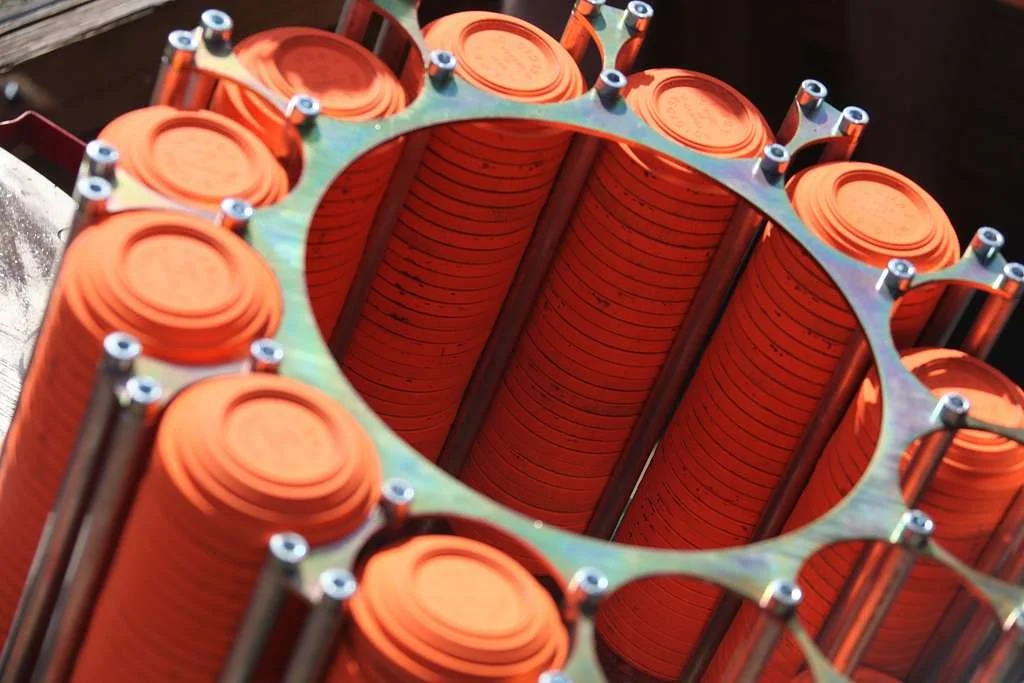
Pre-season clay practice for California upland hunters is one of the highest-leverage things a hunter can do between June and the September dove opener. The shots that matter on opening morning — a crossing dove at 25 yards, a quail rise from chamise at 12, a chukar dropping off a sidehill at 35 — share more with sporting clays and skeet than they do with the trap-style straightaways most casual range-goers default to. This piece is a planning guide for hunters who want to structure a summer clay practice that translates to California field conditions; the recommendations below are drawn from published instructor protocols and cross-referenced expert reports rather than the authors' personal coaching credentials.
Why Pre-Season Clay Practice Matters in California
California upland hunting compresses every shot-style problem into a short calendar. Dove season opens September 1; quail and chukar follow in mid-October. Hunters who shoulder a shotgun in August for the first time since January will miss birds they should have killed cleanly. Clay practice rebuilds three specific skills: gun mount, lead picture, and follow-through under time pressure. None of these are theoretical — they show up directly in the field-care problems covered in the early-season heat field-care guide, because a wounded bird in 95-degree September weather is a meat-loss problem.
Three Drills That Translate to Upland Shots
The 5-stand format is the closest analog to California upland shooting because it mixes presentation angles within a single round. Hunters preparing for dove should weight their practice toward crossing and quartering-away shots at 20–30 yards — the geometry of a sunflower-field dove flight covered in the summer dove field scouting guide. For quail, the high-station skeet shots (especially Stations 3 and 4) replicate a hard-flushing covey rise; the National Sporting Clays Association drill library publishes structured practice plans worth following. For chukar, a low-incoming or trap-rabbit clay best replicates the downhill crossing shot the species rewards.
Patterning, Choke, and Nonlead Considerations
Clay practice is also the cheapest time to verify that the gun, choke, and load combination a hunter plans to carry into the field actually patterns the way it should. California's nonlead requirements on much of the state's upland ground — covered in the nonlead patterning guide — make this non-negotiable, because steel and bismuth shot pattern differently than the lead loads most clay shooters default to. The CDFW nonlead-ammunition page is the authoritative reference for what loads are legal where, and any pre-season pattern board session should use the actual load the hunter intends to carry afield.
Conservation Tie-Back
Pre-season clay practice and ethical hunting are the same conversation. A hunter who arrives at a September dove opener undertrained wounds birds; a hunter who patterns nonlead loads in July leaves fewer pellets on California uplands. The Upland Game Bird Stamp, CDFW's hunter-education program, and partner work by Pheasants Forever and Quail Forever all point in the same direction — better-prepared hunters produce cleaner kills, lower wounding rates, and the data quality that supports California's upland conservation programs.
Matt Gehrmann grew up hunting the Central Valley for pheasant, quail, and dove, and is based in the Bay Area. Read more → · Subscribe to the weekly digest →