
Salton Sea Refuge Dove: Long-Distance Planning Notes
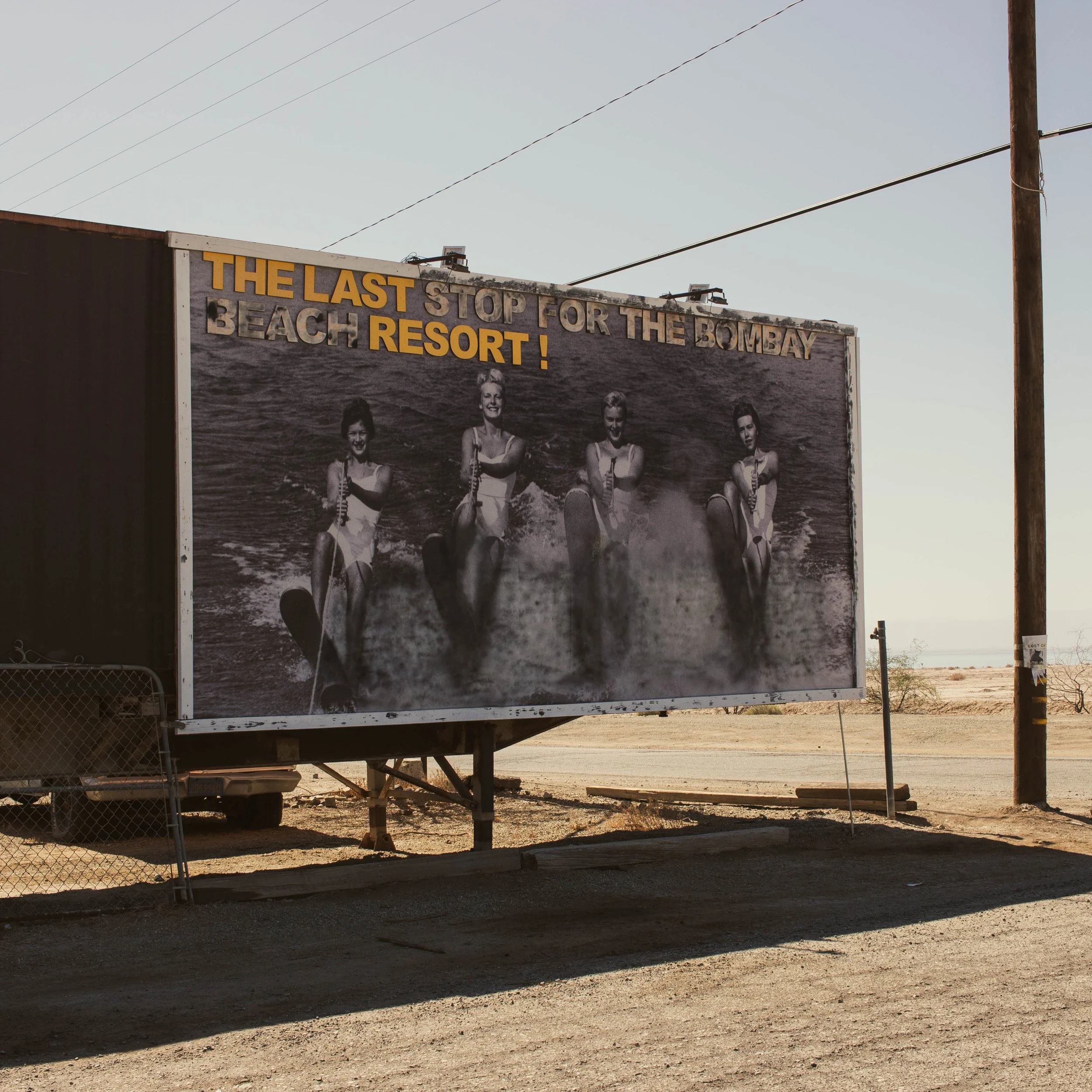
Salton Sea - photo by Peter Burnham
We haven't hunted the Salton Sea. I lived in Southern California for a stretch years ago, but the Salton Sink — the below-sea-level basin where the Imperial Valley's farm country runs into California's largest and strangest lake — is ground neither of us has carried a shotgun across, so this is a planning file, built from refuge maps, agency pages, and other hunters' accounts. And here's the odd thing about its timing: this publishes two days before the opener, but it isn't really an opener piece. It's the file for the trip a Northern California hunter would actually take later — because for anyone starting 600 miles north, the smarter version of Salton Sea dove hunting is probably not September 1 at all. That's the why, and the rest of the piece is the case.
The dog math drives our version of the plan, as it always does. If we chased the opener down there, Alan would stay home — accounts describe September mornings at the Salton Sea starting in the 80s and running well past 105, which is not a working morning for an English cocker no matter what protocol you run. A November trip flips that: cool desert mornings, a dog who can do his job, and a hunter who isn't rationing retrieves against a thermometer.
Why Plan a Salton Sea Dove Trip From 600 Miles Away
Because the southeast corner of the state is where California dove hunting is at its most abundant, and the public ground around the Salton Sea is where a traveling hunter can actually get at it. Our Imperial Valley planning piecemade the opener case — the agricultural mosaic of the Imperial Valley holds the state's densest concentrations of mourning dove (Zenaida macroura), plus something we NorCal hunters almost never see at home: white-winged dove (Zenaida asiatica) in real numbers. This piece is the refuge-and-repeat-visit layer on top of that: the specific public units at the sea's south and east ends, and the logistics of doing them from far away, on your second window rather than your first.
The Ground: Sonny Bono Units and Wister
Two names anchor the public-land picture, and both demand a verify-before-you-drive habit.
Sonny Bono Salton Sea National Wildlife Refuge. A federal refuge at the sea's south end near Westmorland and Calipatria, better known nationally for its wintering geese and its role as habitat of last resort on a shrinking sea. What the traveling hunter needs to know: the refuge runs designated hunt units with their own rules, boundaries, and open days, published on the refuge's hunting pages — and we're deliberately not summarizing unit names and boundaries here, because refuge hunt maps get redrawn and a stale paragraph is worse than none. The refuge page and the current-year hunt brochure are the authority; read them the week of your trip, not the month before.
The Wister Unit of the Imperial Wildlife Area. CDFW ground on the sea's southeast shore near Niland — impoundment-and-scrub country the accounts describe as the workhorse public hunting ground of the Salton Sink. Entry procedures, shoot days, and any check-in requirements are area-specific and seasonal; CDFW's lands pages carry the current area regulations, and the accounts we've read are unanimous that you should confirm the entry drill before opening morning of whichever split you choose. Around both properties, the wider mosaic — ag edges, ditch banks, mesquite and salt cedar lines — follows the same feed-water-loaf logic our dove cornerstone lays out, with the private-land boundary discipline that farm country always demands.
The Second-Split Logic
California's dove season comes in two splits: the September 1 opener everyone knows, and a second split that in recent seasons has run from mid-November into December — verify the 2026-27 dates in the regulations, and see our 2026-27 dove regulations piece for the full framework. For a NorCal hunter, the second split is where the Salton Sea trip starts to make sense on every axis at once: the murderous heat is gone, the crowds of opening week are gone, the doves are still there in numbers the accounts describe as astonishing to first-time visitors — southbound migrants stacking into the Sink as the rest of the state empties out — and a 600-mile drive is a lot easier to justify for a multi-day trip than for one 100-degree morning. Every account we've read from traveling hunters lands in the same place: September belongs to the locals; November belongs to whoever shows up.
Six Hundred Miles of Logistics
Call it nine to ten hours from the Sacramento Valley, I-5 south and over the mountains into the desert, and plan like it's the expedition it is. The pattern from the trip reports: base in the farm towns — Brawley, Calipatria, Westmorland, Niland all put you inside twenty minutes of the public ground — and book early for the splits' opening days. Build a three-day minimum around the drive; day one arrives and scouts, days two and three hunt. Water is entirely bring-your-own on most of this ground, for hunter and dog both. And the paperwork is the same as home: license, upland validation, HIP, and nonlead shot only — mandatory statewide for taking upland game birds, no desert exception.
The named caveat for this piece: a refuge on a map is not a hunt. Water levels, dust-control construction, and habitat projects are actively reshaping access at the sea's south end, and a unit that was open last season may be a construction zone this one. Call the refuge and check the CDFW area page the same week you load the truck — 600 miles is a long way to drive to read a closure sign.
A Shrinking Shoreline
You can't write honestly about this place without the frame around it. The Salton Sea is shrinking — inflows have fallen for two decades, the shoreline has retreated, and the exposed lakebed (playa) produces dust that ranks among the worst air-quality problems in rural California. The state's Salton Sea Management Program is building wetland and dust-suppression projects along the receding edges — which is exactly where hunters operate, and why unit access keeps changing. For the birds, the shrinking sea concentrates everything that remains: the refuge and the managed wetlands become a larger share of a smaller habitat pie every year. A hunter who makes this trip is hunting inside an active conservation emergency, and the honest response is the usual one, plus attention — buy the upland validation that funds habitat work, follow the management program's project updates, and treat every posted closure as habitat triage, not bureaucracy. Any place that makes you check the dust forecast before the bird forecast has earned a little humility.
White-Wings and the Sub-Limit
The bird-side bonus of the far southeast: white-winged doves, a bigger, square-tailed desert dove that funnels through the Salton Sink and the Imperial Valley in numbers nowhere else in California matches, especially early. They share the bag with mourning doves, and the regulations handle them with a combined limit and a white-winged sub-limit whose numbers and applicable area are exactly the kind of detail we won't state from memory — recent booklets put the combined daily bag at 15 with a white-winged cap inside it, and the 2026-27 booklet is the authority, especially for this southeastern corner where the distinction actually gets used. Learn the ID before you go (white wing patches, rounded tail with white corners, a bigger and slower bird overall) — a limit's worth of fast doves against a bright desert sky is an identification test, and "I couldn't tell" is not a defense a warden accepts.
What We'll Find Out
The promise, per the format: this file becomes a field report when we make the drive, and the second split is when we aim to make it — Alan in the truck, three days on the ground, Wister and the refuge units both. What we want answers to: whether the November numbers live up to the accounts, how much of the shoreline access has moved since the maps we studied, and whether the long-distance version of this hunt earns a permanent spot on the calendar. Two days from now, opening morning will happen down there without us — and if the research is right, the better version of the trip will still be waiting in November.
Peter Burnham grew up in Nevada hunting chukar in the Sierras and dove in the valleys and hunts behind Alan (a three-year-old English cocker). Read more → · Subscribe to the weekly digest →