
The Presidio Quail Reintroduction: A NorCal Conservation Win Worth Watching
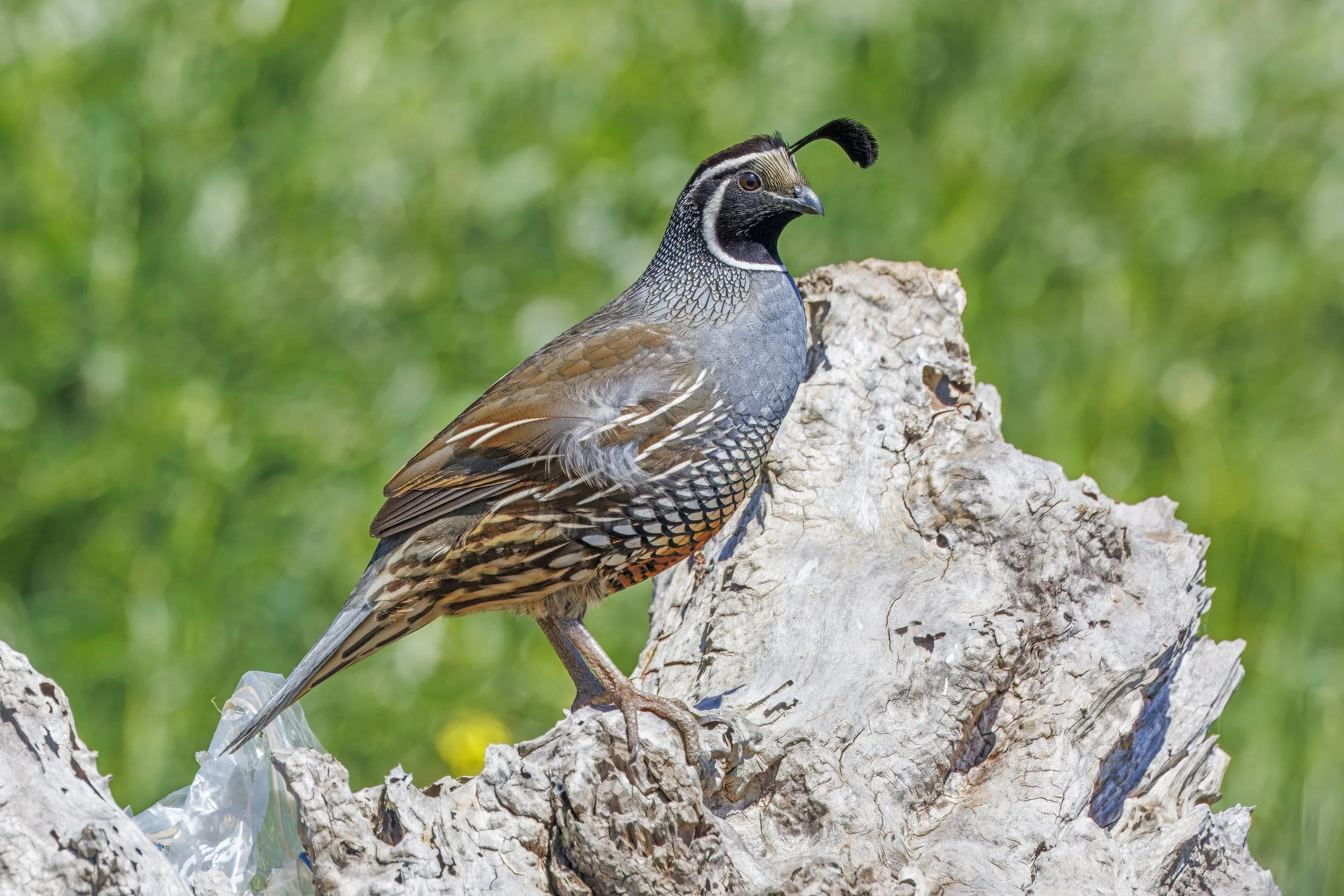
Photo: Charles J. Sharp / CC BY-SA 4.0 — source
_male_Tricao.jpg)
The Presidio sits at the foot of the Golden Gate Bridge — three thousand acres of restored coastal scrub and serpentine grassland surrounded by the densest part of San Francisco. In 2026, the Presidio Trust and the San Francisco Estuary Institute begin reintroducing California quail (Callipepla californica) to that ground. The Presidio quail reintroduction is not a hunt opportunity. It is something more useful: proof, in front of seven million Bay Area neighbors, that valley quail will reclaim restored habitat when the cover comes back.
Why This Matters to NorCal Upland Hunters
Most of California's coastal valley quail country fell apart the same way the Sacramento Valley wild pheasant population did — fragmented edges, lost shrub cover, invasive grass monocultures, and unchecked feral cats. The Presidio's habitat work since 2019 reverses each of those drivers in microcosm. Coyote brush, coffeeberry, and toyon have been replanted along edges. Dune restoration on the western bluffs has produced the structure quail use to bridge between cover patches. If quail re-establish in San Francisco, the recipe for restoring quail elsewhere in the Bay Area, the Coast Range, and the Diablo Range gets a lot more credible.
What "Reintroduction" Looks Like
The Trust's plan is a soft release of birds into pre-conditioned habitat with monitoring through banding and call-count surveys. Establishment is expected to take two to five years before a self-sustaining population is confirmed. NorCal hunters who have watched valley quail rebound on Cache Creek BLM, Mendocino National Forest brush burns, and post-fire foothill country know the timeline — this is not a question of months.
The Talking Point Worth Carrying
When the conversation turns to whether habitat money is well spent, the Presidio project gives upland hunters a clean example to point at. California's Upland Game Bird Stamp, CDFW habitat plots, and BLM upland restoration grants operate on the same principle as the Presidio's coastal scrub work: rebuild structure, manage invasives, give a covey somewhere to roost and somewhere to escape. The math scales the same way on a Mendocino ridge that just burned and on a serpentine bench above the Bay.
What to Watch in 2026
The Presidio Trust will publish the release timeline and monitoring data through the Presidio Trust. CDFW does not regulate the project — quail inside the Presidio remain protected under state law, and there is no hunting access — but the monitoring data is exactly the kind of evidence hunter-funded habitat dollars need in order to keep flowing.
Conservation conscience is not preached in the upland tradition. It is paid for, season after season, by hunters who buy a stamp they will never spend in the Presidio and keep their dogs on coyote brush hillsides where the next covey is rebuilding from a wet winter.
Internal links:
External links:
Peter Burnham grew up in Nevada hunting chukar in the Sierras and dove in the valleys and hunts behind Alan (a three-year-old English cocker). Read more → · Subscribe to the weekly digest →