
Planning a Modoc Plateau Chukar Hunt: A NorCal Scouting Guide
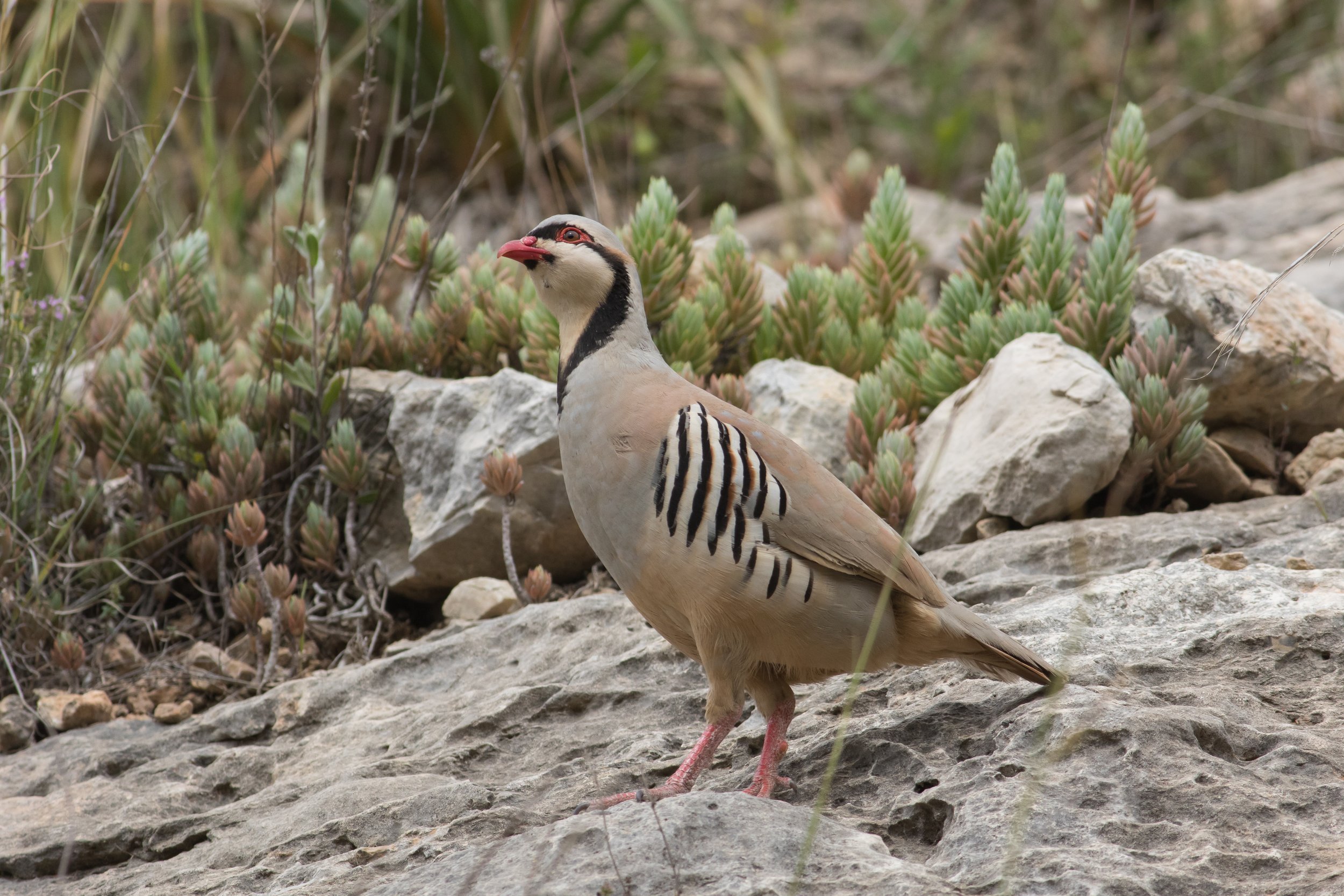
מינוזיג - MinoZig / CC BY-SA 4.0 — source

When most California chukar talk turns to the Owens Valley and the eastern Sierra, the country a thousand miles closer to Oregon than to Bishop gets skipped. The Modoc Plateau — the northeast corner of California where the Great Basin pours over into the state — holds chukar (Alectoris chukar) on rim country, basalt rims, and bunchgrass benches that look more like Nevada than they do California. For NorCal hunters, it is the most logistically reasonable chukar country in the state, and a Modoc Plateau chukar hunt rewards scouting that begins in spring.
Why Chukar Live Here
The Modoc Plateau is volcanic high desert: sagebrush steppe at five thousand feet, basalt rims, juniper woodland, and seasonal water in springs and stock tanks. Chukar evolved in country that looks exactly like this in the Hindu Kush, and they took to the Great Basin like it was made for them. The rim-and-bench geography — feeding flats above, escape cover below — is the same template that produces birds across Nevada and Idaho.
Public Ground Worth Mapping
Modoc National Forest, Devil's Garden Plateau: juniper-and-sage uplands with seasonal water; M-series Forest Service roads provide walk-in access.
Warner Mountains foothills (USFS, BLM): the basalt rim where high country drops to sage flats; classic California chukar geography.
South Warner Wilderness fringe: non-motorized country adjoining BLM tracts; long days, big rewards.
BLM Surprise Resource Area (Cedarville Field Office): sagebrush flats and rocky breaks; reference the BLM Applegate Field Officeand Surprise unit maps for road status.
What to Scout Now
Chukar plan on water. Drive in late May and June. Mark every working spring, stock tank, and seasonal seep within a half mile of basalt rim. By August, the dry-side birds will concentrate within walking distance of those points. Note bunchgrass — Idaho fescue, Sandberg's bluegrass, cheatgrass-free pockets — and the south-facing slopes that warm fastest in the morning. Birds feed up the slope at first light and walk back down toward water by mid-morning.
A chukar hunt anywhere is a conditioning hunt. The Modoc Plateau adds altitude to the equation — most productive country sits between four thousand five hundred and six thousand five hundred feet. Boots that handle basalt scree, a dog conditioned for full days on rocks, and water enough for both of you are the floor.
Conservation Context
Modoc Plateau habitat sits at the intersection of BLM Sage-Grouse Initiative restoration, USFS juniper management, and CDFW upland habitat work. Chukar are not the focal species in most of those projects — sage-grouse and mule deer are — but the bunchgrass and water improvements that benefit those animals also produce chukar. California's general chukar season runs October 18, 2026, through January 25, 2027, with a six-bird daily limit. Nonlead shot remains mandatory.
The drive from Redding is long. The drive in is part of the experience.
Internal links:
External links:
Matt Gehrmann grew up hunting the Central Valley for pheasant, quail, and dove, and is based in the Bay Area. Read more → · Subscribe to the weekly digest →
Peter Burnham grew up in Nevada hunting chukar in the Sierras and dove in the valleys and hunts behind Alan (a three-year-old English cocker). Read more → · Subscribe to the weekly digest →