
Scouting California Quail in Spring: What to Look For Before the Season Starts
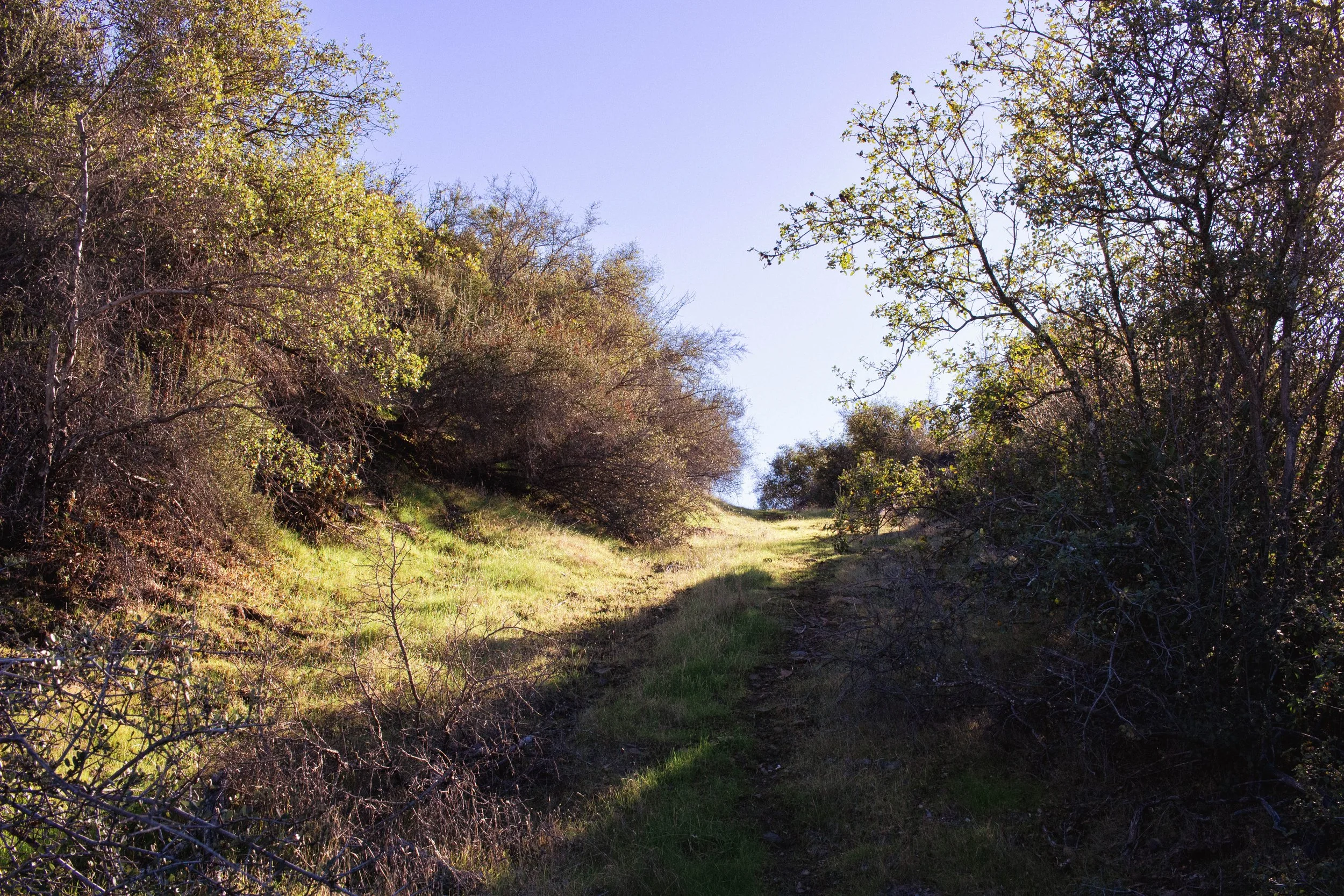
Typical brushy quail habitat - photo by Peter Burnham
By April, most hunters have moved on entirely. Matt and I take a different approach. April is when we head back into the draws we hunted in October — this time without shotguns — to see what's there.
Part of it is population assessment, honest curiosity about how the birds came through the winter. Part of it is prospecting, checking new terrain we never got to during the season. And a big part of it is Alan, my English Cocker Spaniel, who doesn't understand closed seasons and just wants to work. Spring keeps him sharp and conditioned, and it keeps us connected to the birds in a way that makes October feel less like a cold start and more like a continuation.
It's also just good intelligence.
Why Spring Scouting Pays Off
California quail (Callipepla californica) are about as readable as they get in April and May. Coveys have broken into breeding pairs. Males are calling from fence posts and brush tops — that clean, three-note chi-ca-go carries across a hillside at first light and tells you a lot about what kind of density a property holds. Three or four males calling in a quarter-mile stretch means good quail country. Likely-looking habitat in silence is data too.
What you find in April maps closely to what you'll find in October. Quail don't roam. A pair nesting in a draw with a seasonal creek and south-facing chamise will typically regroup in that same draw — or within a few hundred yards of it — when the season opens. Scout it now and you've essentially pre-scouted your fall hunt.
The caveat: spring scouting identifies structure more than it counts birds. A good April doesn't guarantee a good October — dry summers hit brood survival hard. We use spring to find the combinations of cover, water, and terrain that hold birds year after year, not to confirm population numbers.
What Alan Gets Out of It
An English Cocker is a flushing dog — his job is to work close, stay in front, and move birds within range. That kind of systematic intensity goes soft without repetition. Spring gives Alan birds to find without the pressure of a shooting situation. He can work scent, bumble a flush, circle back, and work it again. By October, he's not relearning the game — he's picking up where he left off.
Watching him work in April is its own reason to go.
Reading the Terrain
California quail are edge birds. They want dense low cover for protection, open ground for foraging, and a quick route to escape cover. The best NorCal habitat combines three things:
Brushy cover at the bottom: chamise, buckbrush, manzanita, or coyote brush along a draw or toe-slope. This is where quail roost and shelter. Find a tangle of any of these at the base of a slope with open ground above it, and put a pin on it.
Open foraging ground adjacent: annual grassland, grazed pasture, oak woodland duff, or field edges. Quail are seed pickers who need open ground to feed, which is why fence lines and cover-type edges are almost always worth a slow walk.
Water within a quarter mile: seasonal creek, stock tank, or seep. In the Sacramento Valley foothills and on BLM parcels east of the valley floor, water is often the limiting factor in October. Mark every source you find. The ones still holding water in a dry fall will concentrate birds within a short walk.
Where Matt and I Focus our efforts
Our spring scouting runs two corridors. The first is Berryessa Snow Mountain National Monument — the oak woodland and chaparral country around Lake Berryessa and the Cache Creek drainages. Brushy draws, seasonal water, plenty of edge between chamise and open grassland. The monument's BLM parcels are open to hunting under CDFW regulations, and a good spring walk covers a lot of habitat types in a short distance.
The second is the Sacramento Sierra foothills — blue oak savanna and annual grassland through El Dorado and Amador counties. More birds than most hunters realize, and the drainages coming off the western Sierra slope tend to hold water later into summer than the country further west.
We use CalTopo or onX Hunt to locate water first, then ground-truth on foot. Some seasonal creeks run strong through April and are bone dry by June. The ones still damp in September are the ones that matter in October. We also revisit last fall's spots to see what's changed — whether the seep is still running, whether fire or cattle pressure shifted the cover. Those answers tell you whether to plan around a spot or move on.
One Simple Habit
Bring binoculars and a notebook. When Alan bumps a covey off a brushy fence line or you hear a male calling from a particular knob at 6:30 in the morning, note the location, the cover type, the nearest water, the time of day. Do it across a couple of spring weekends and you'll head into October with a mental map that most hunters don't have.
The birds will tell you where they live. You just have to show up early enough to listen.
Current CDFW upland game bird regulations: wildlife.ca.gov/Hunting/Upland-Game-Birds
BLM California hunting access: blm.gov/programs/recreation/hunting
Matt Gehrmann grew up hunting the Central Valley for pheasant, quail, and dove, and is based in the Bay Area. Read more → · Subscribe to the weekly digest →
Peter Burnham grew up in Nevada hunting chukar in the Sierras and dove in the valleys and hunts behind Alan (a three-year-old English cocker). Read more → · Subscribe to the weekly digest →
