
Hunting the Overlap: Sooty Grouse, Band-Tails, and Quail in the High Sierra in September
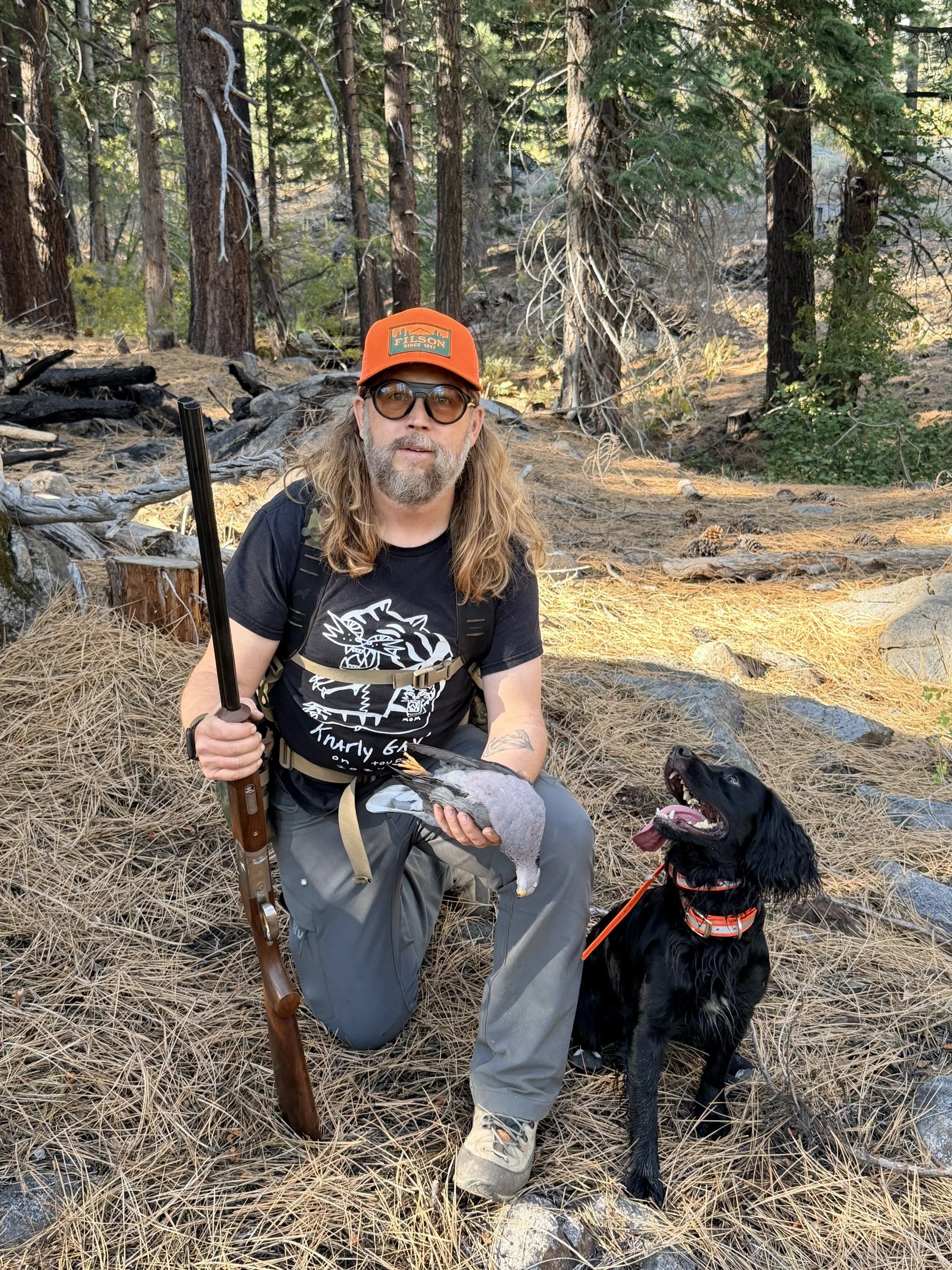
Peter and Alan with a Band Tailed Pigeon - photo by Matt Gehrmann
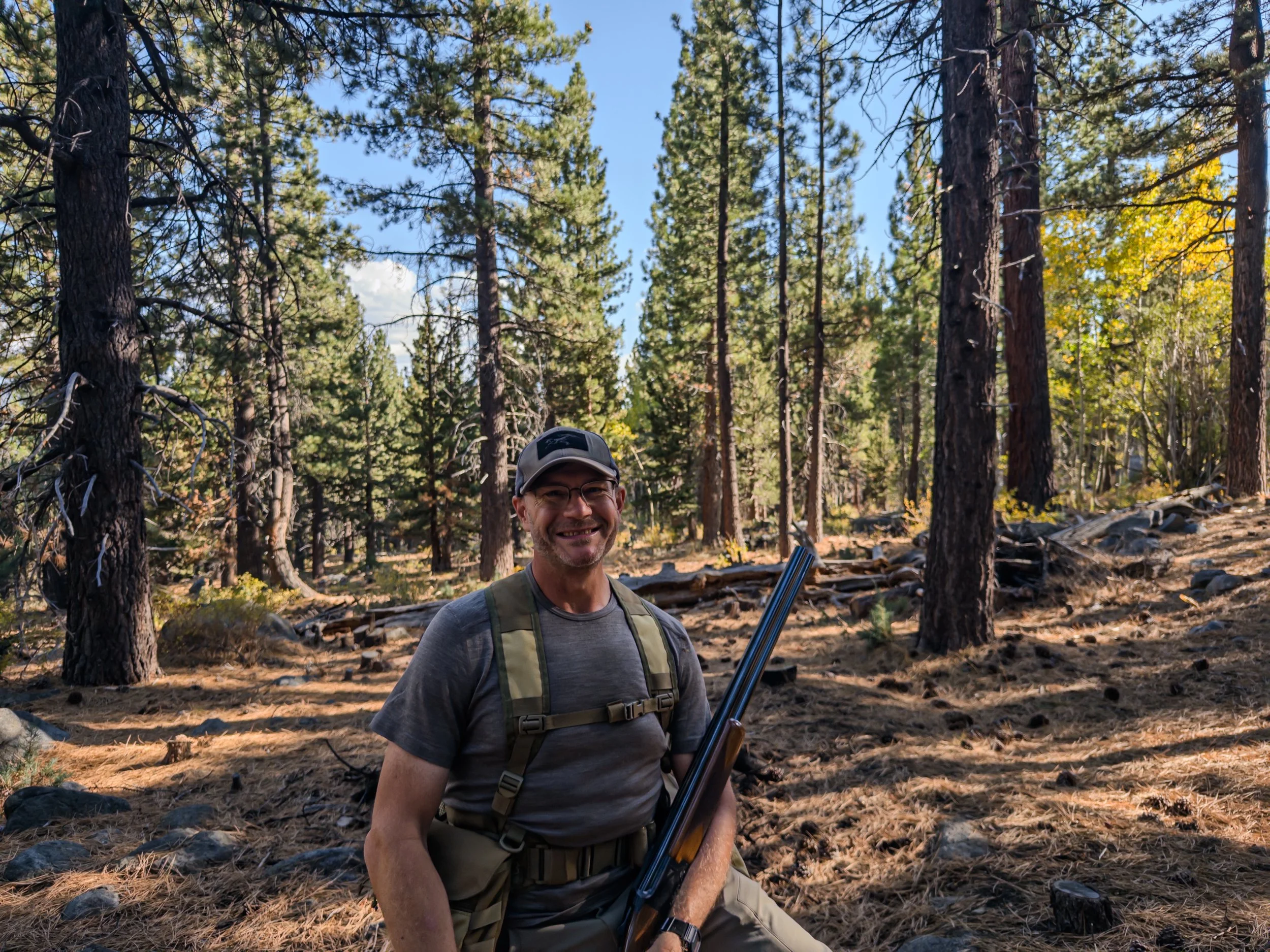
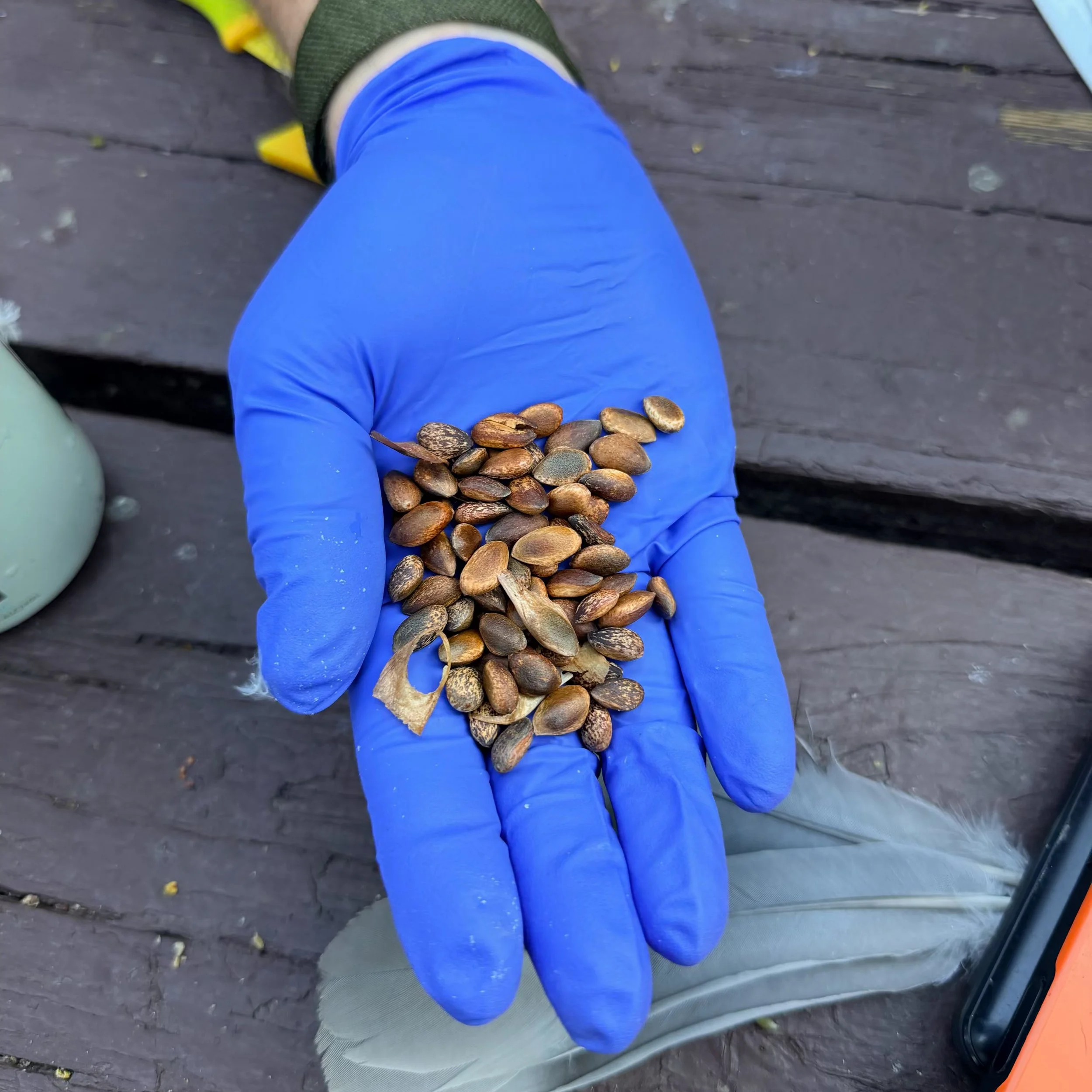
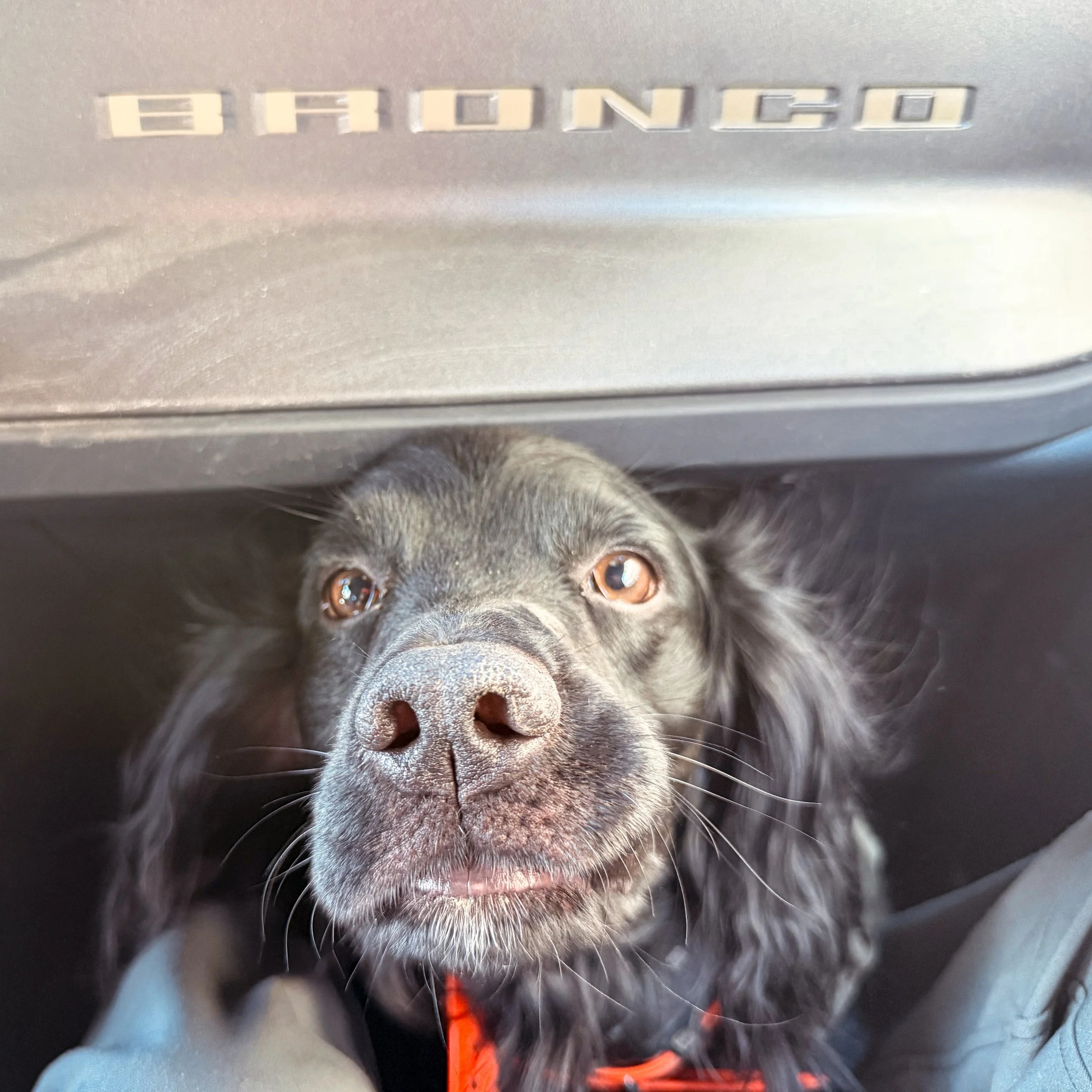
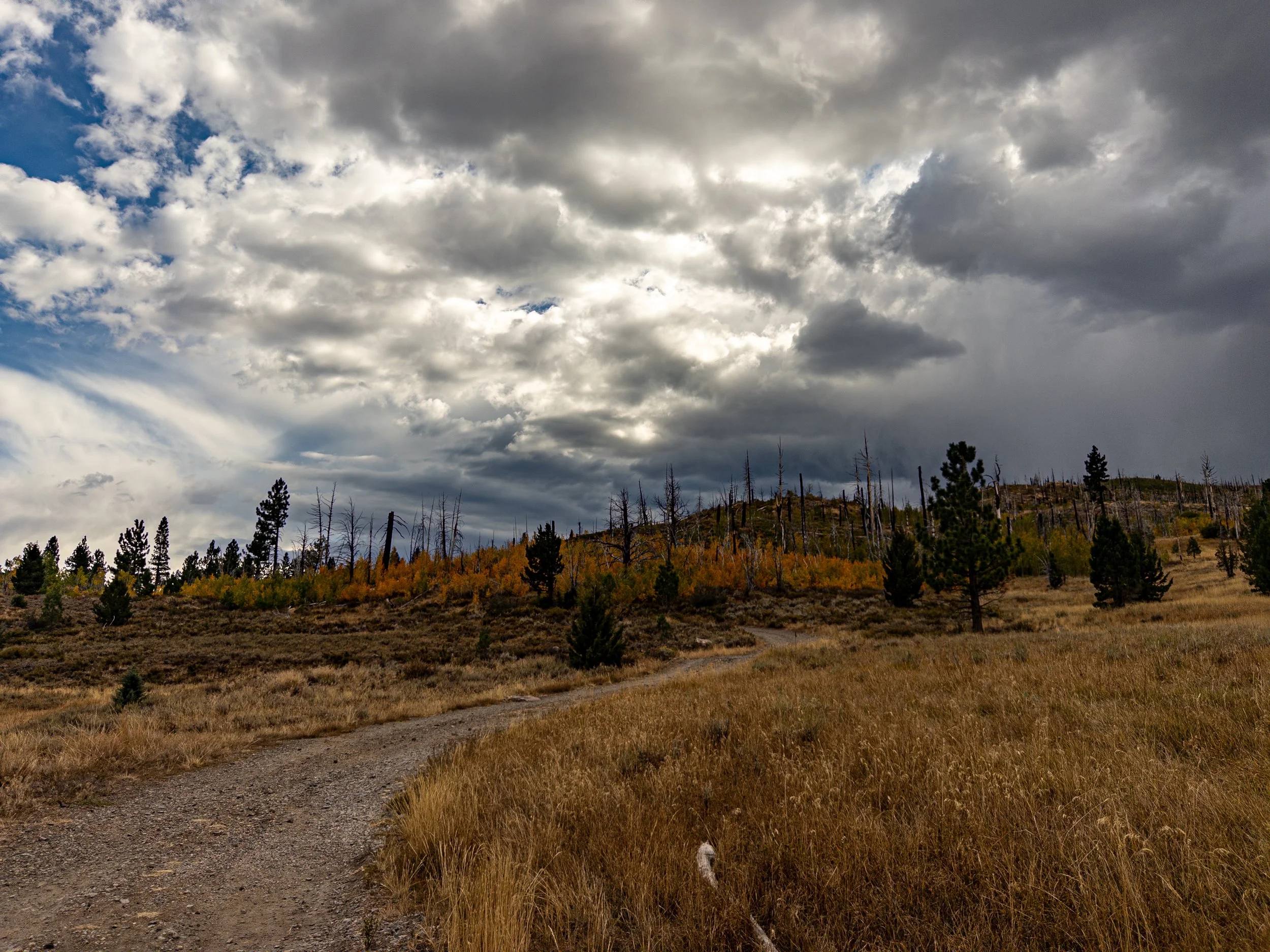
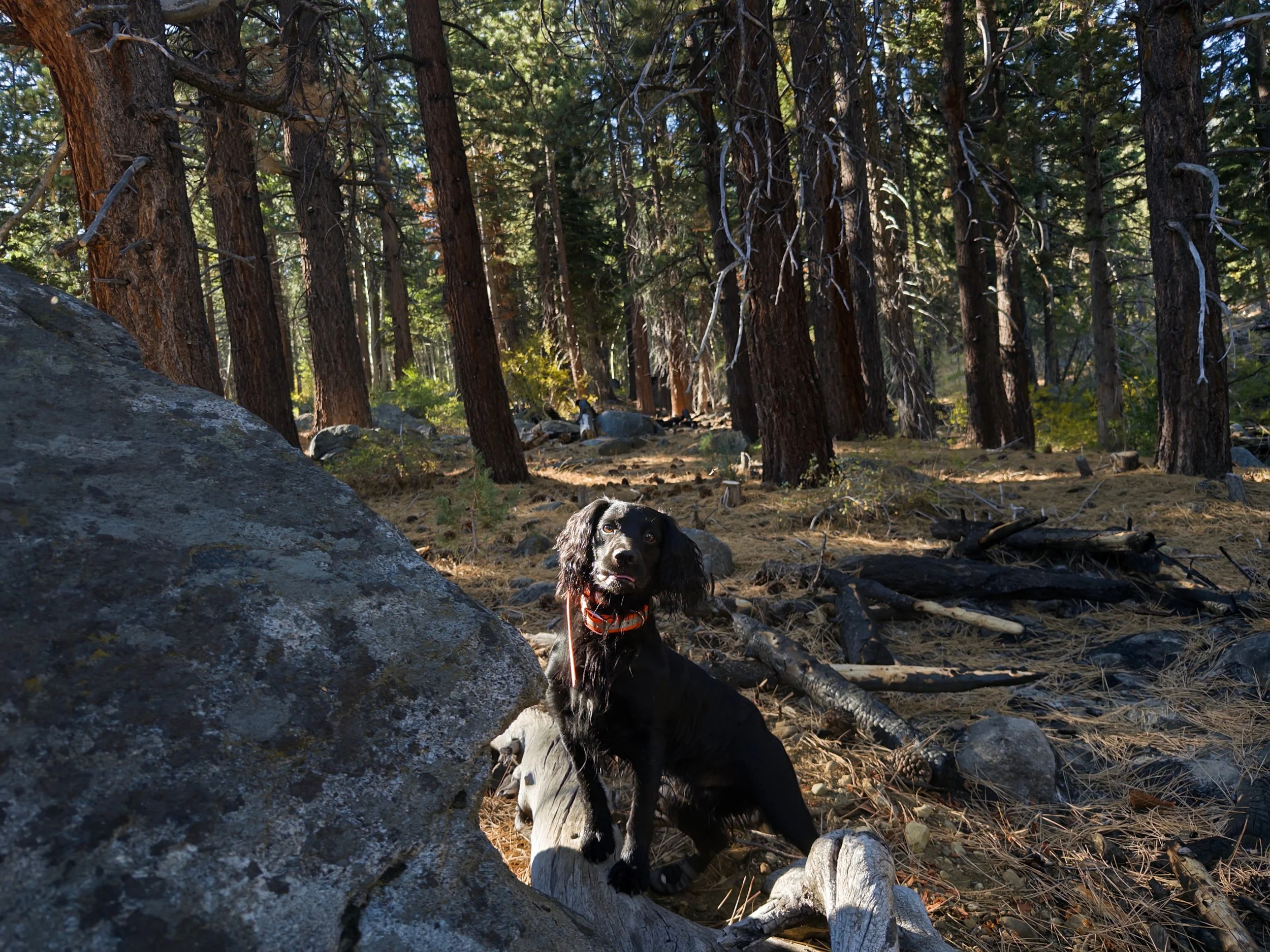
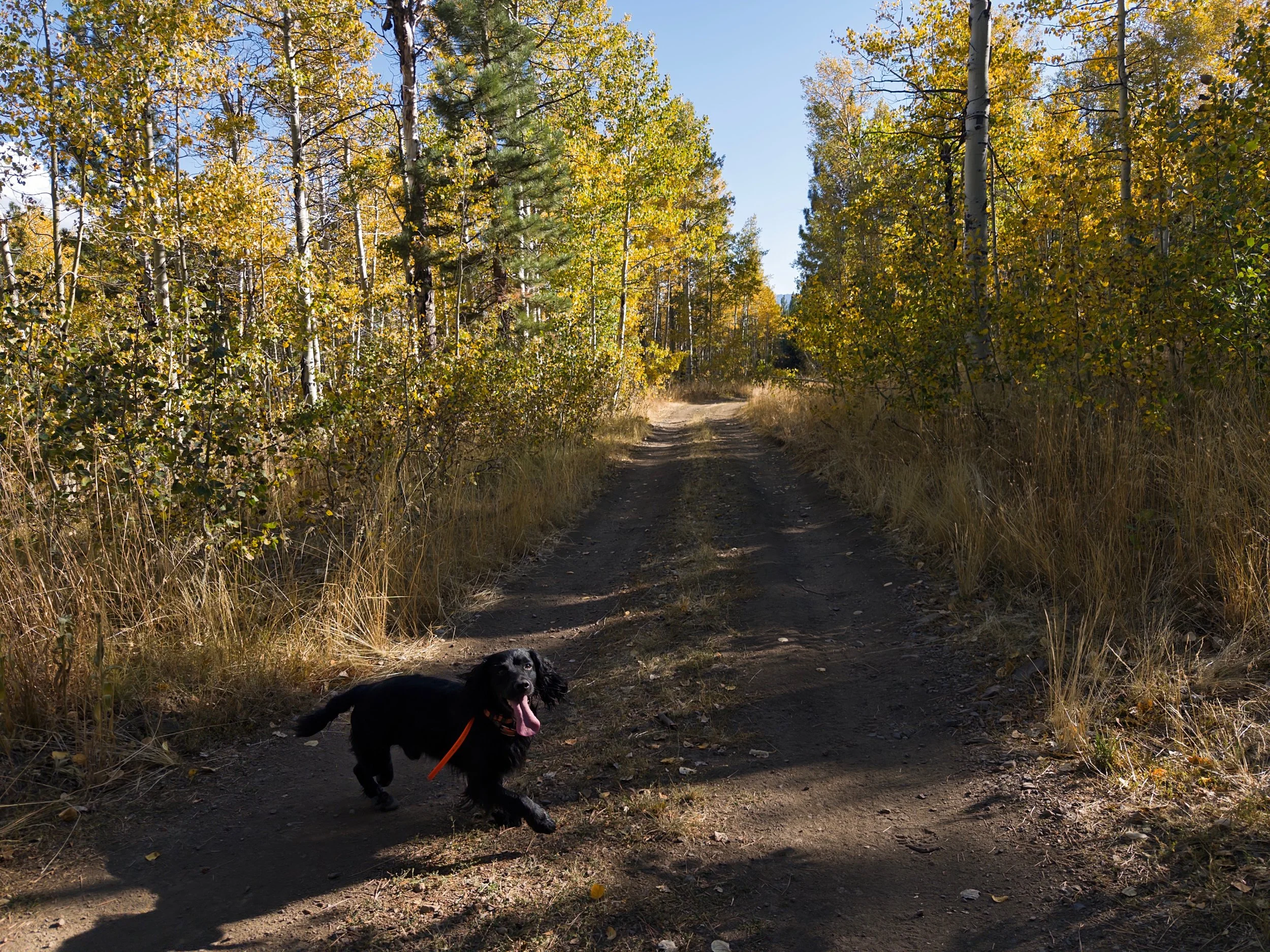
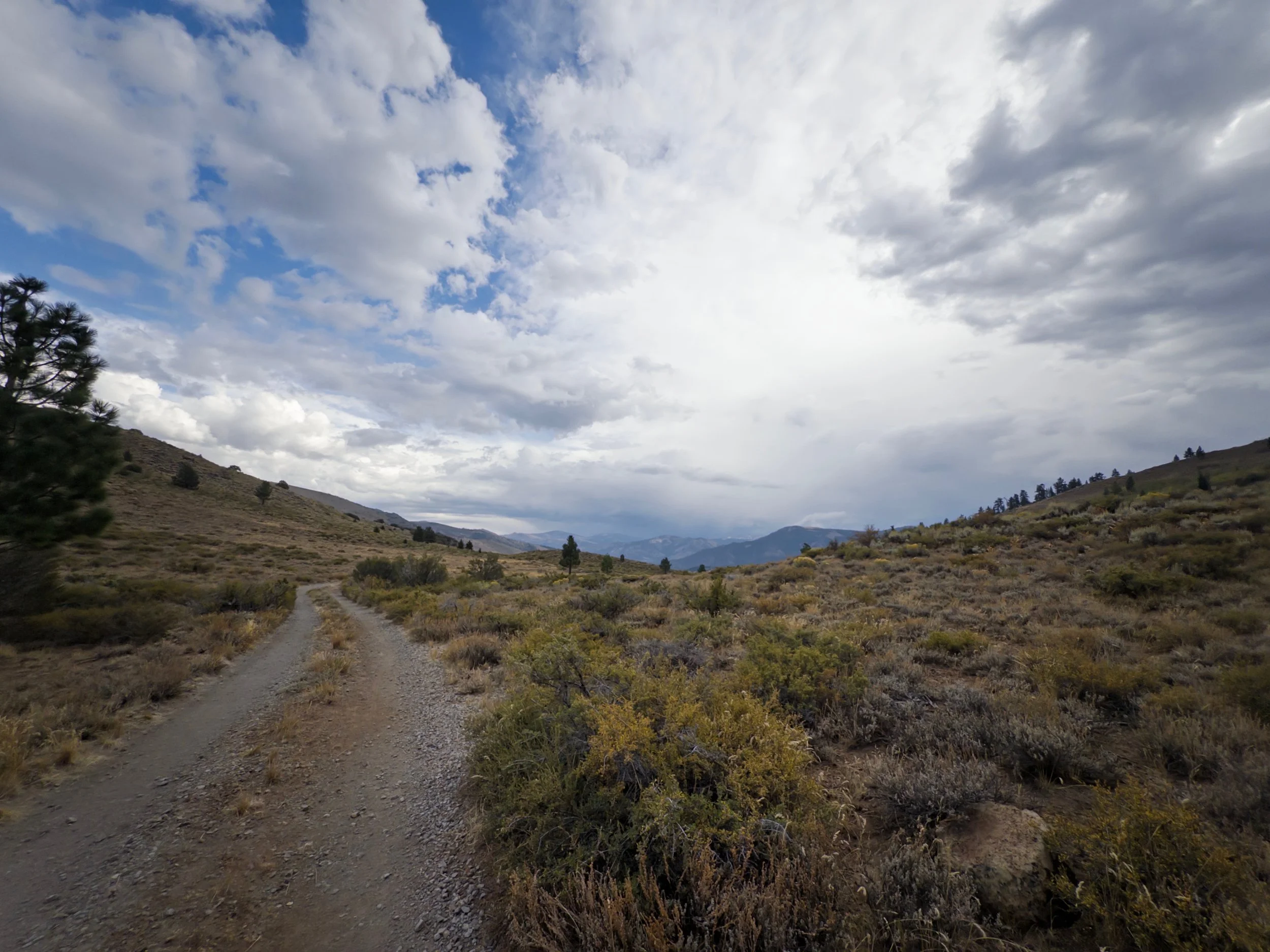
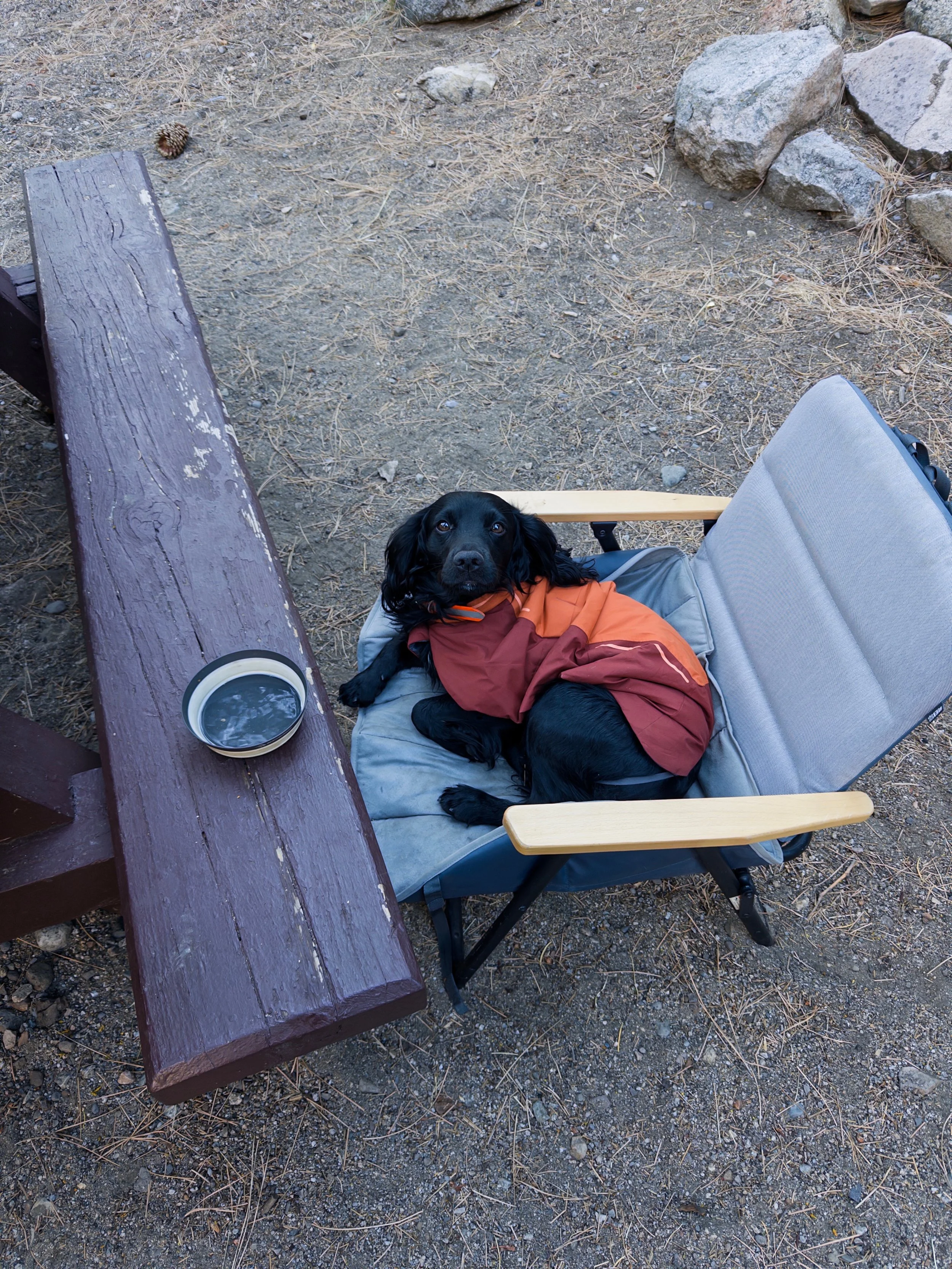
By the third morning, Alan had stopped checking in. He worked the edge ahead of us at the pace of a dog who had figured out what the country was telling him, and Peter and I followed with the shotguns low and the wind in our faces. We'd walked better than twenty miles between 7,000 and 9,000 feet, across the El Dorado and Toiyabe national forests, and the mountain had finally started to make sense.
We went for sooty grouse, Dendragapus fuliginosus. We found them, and they held 75 to 100 yards out every time. But the trip taught us more than one bird could have. In the third week of September, sooty grouse, band-tailed pigeons, and California quail were all within a few miles of each other, and each one showed us something about the country the others couldn't. The exact drainage stays with us, the way it does with grouse hunters. The lessons are all here.
Why Hunt More Than One Species
Working several species in season means covering more ground, reading more cover types, and watching how each bird uses the same landscape differently. A single-species trip tells you how one bird behaves on one kind of day. A mixed trip tells you how the whole mountain works. By day three we were reading the country in a way we couldn't have managed chasing only one bird.
Sooty Grouse: The Habitat, and the Distance
The pattern was clear by the second day. The grouse were in Jeffrey pine bordering aspen, where the timber opens up and aspen stringers run down the north-facing draws. Seeps, meadow edges, and the brushy transition between conifer and aspen held the berries, and the berries held the birds. When we found Jeffrey pine standing next to aspen with water close by, we found grouse. When we found one without the other, we usually found a pleasant walk.
Aspen on a map is easy to find. Aspen sitting against mature Jeffrey pine, on a slope that gets morning light and holds moisture, is the combination to look for. The birds themselves were another matter. Every grouse we found stayed 75 to 100 yards out, which says something about early-season birds in big country: they have room to move and no reason to let a walking hunter close the gap. We'll try slower, quieter edges next time.
Band-Tails: Same Edge, Different Bird
Sooty grouse and band-tailed pigeons feed on the same berries along the same timber edges at the same elevations, and both flush gray out of the shadows. Learn both flushes before you go. In the air they separate quickly: a band-tail is a pigeon, pointed-winged and fast, and it climbs out over the timber and keeps going. A grouse gets up with a whirr, rounder in the wing, and drops back into cover or a tree.
The band-tails were the birds that came home with us. We got into them on the last afternoon, a short walk from where we'd moved a bird two days earlier. Band-tails return to the same feed and water day after day, and that's the lesson: when you move a bird in good cover, mark it and go back. Band-tailed pigeon season in the North Zone ran nine days from September 19, overlapping grouse, so we carried the upland game bird validation and HIP on every license. If you're hunting the overlap, carry both.
The bird itself is easy to confirm in the hand: yellow feet, a yellow bill with a dark tip, and the pale band across the end of the tail that gives the species its name. It's dark, rich meat, and it deserves a proper dinner.
California Quail: Seen, Not Hunted
On day two we climbed into transitional ground where conifer gives way to aspen, meadow, and brush. It looked right for grouse, and it held California quail instead, weeks ahead of their October opener. A covey trickled across a two-track as a lightning storm rolled in, and we let them go. In this zone mountain quail were already open and California quail weren't, so the identification matters before the shotgun comes up. The plume settles it in good light: a forward-curling teardrop on a California quail, two long straight feathers on a mountain quail. Check the season dates for your zone before you go.
The quail told us something the grouse and band-tails didn't: where the transition from timber to open ground sits at this elevation, and which edge a covey will use to cross it.
Drive In Through the Caldor
The hardest part of the trip was the drive up Highway 50 through the 2021 Caldor Fire burn: mile after mile of standing black trunks where forest used to be. It hit Peter hardest. He grew up hunting these mountains from the Nevada side, and he spent the drive pointing out places he remembered, some gone in any way he'd recognize. Burns do come back as bird country, but "come back" is measured in years. It's also why upland hunters have a stake in how these forests are managed.
What We're Taking Home
E-scouting got us to the mountain. The mountain, and the three birds on it, told us where everything lived. A few things we'll carry into next September:
Hunt the overlap. Grouse and band-tails share this country in September, and California quail are around but closed. Know each flush, and carry HIP and the upland game bird validation.
Look for Jeffrey pine against aspen. That edge, with water nearby, held sooty grouse every day.
Mark every bird you move. Birds return to what's feeding them, and a return trip to a good edge is rarely wasted.
Condition yourself and the dog. Twenty miles between 7,000 and 9,000 feet is real work. Check pads nightly on decomposed granite.
We came for sooty grouse and never got one in range. We came home with band-tails, a look at California quail ahead of their opener, and a better read on this country than we'd had in years of looking at it on a screen. That's the argument for working more than one species: the mountain teaches you faster when you let it.
Matt Gehrmann grew up hunting the Central Valley for pheasant, quail, and dove, and is based in the Bay Area. Read more → · Subscribe to the weekly digest →
Peter Burnham grew up in Nevada hunting chukar in the Sierras and dove in the valleys and hunts behind Alan (a three-year-old English cocker). Read more → · Subscribe to the weekly digest →
