
Audubon California Celebrates 30 Years of Conservation
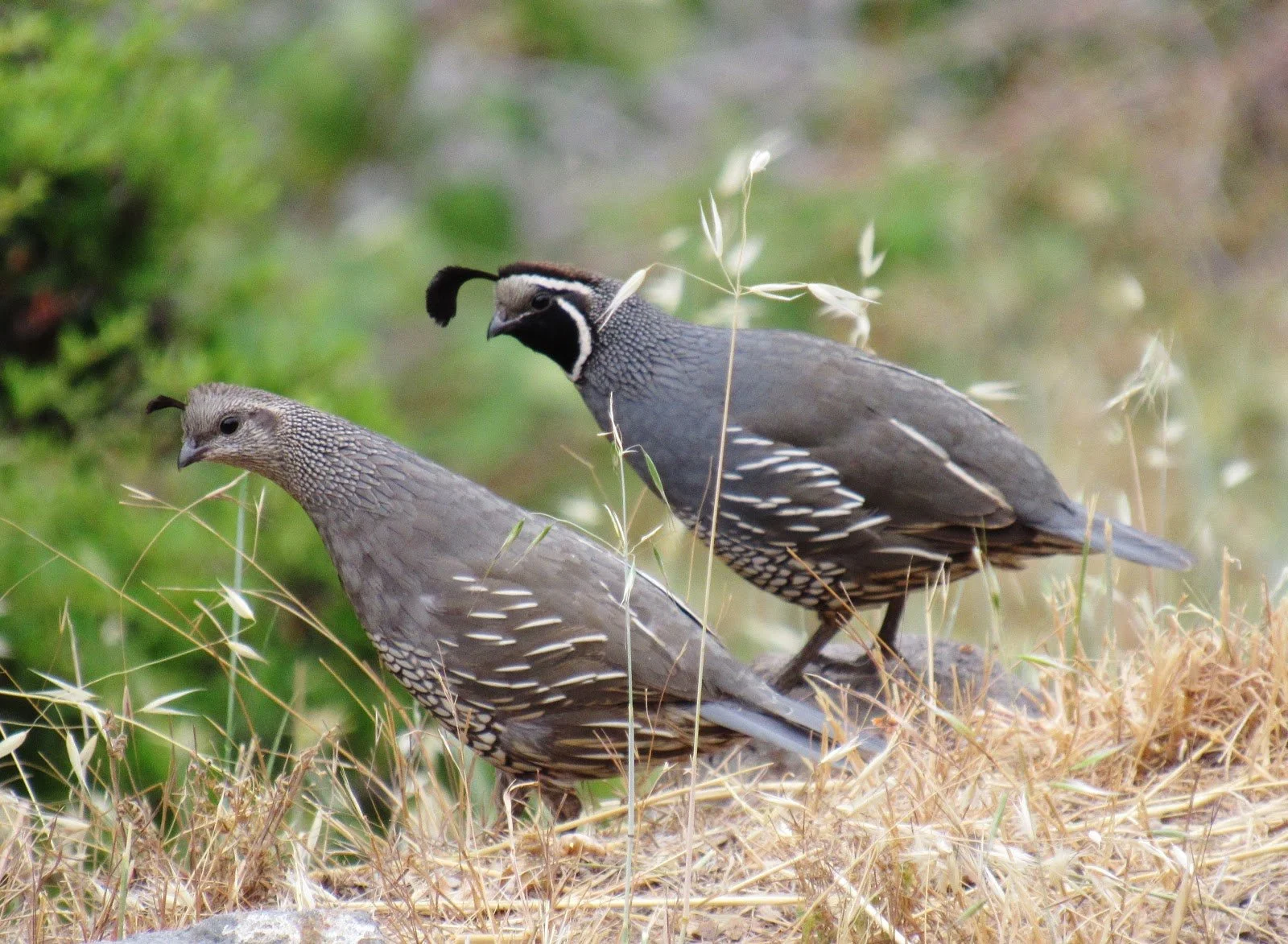
Pair of California Quail in natural chaparral habitat
Audubon California doesn't sell licenses or set seasons — but 30 years of habitat fights may be doing more for upland bird populations than any regulation ever written.
California's public land is only as good as the habitat on it. An open BLM allotment with degraded brush and silted springs holds no birds. The quail, chukar, and mountain quail that make this state worth hunting don't care who owns the deed — they need water, cover, and food, in that order. Protecting those things on public ground is slow, unglamorous work, and most of it happens far from the trailhead.
As Audubon California marks its 30th anniversary, the organization's record on upland habitat is worth a hunter's honest look. The 2008 Tejon Ranch Conservation Agreement protected up to 240,000 acres of oak woodland and foothill grassland in the Tehachapis — a buffer against development pressure that would have fragmented some of Southern California's most productive quail range. The Habitat Conservation Fund, extended through 2035 with Audubon's support, directs money toward acquiring, restoring, and managing over 1.2 million acres of California habitat, including the valley oak savanna and coastal scrub that upland birds depend on year-round.
That's the work that keeps birds on the landscape between seasons. Not just a place to park a truck on opener morning, but functioning habitat — the kind that produces birds in October because it protected broods in June.
Matt Gehrmann grew up hunting the Central Valley for pheasant, quail, and dove, and is based in the Bay Area. Read more → · Subscribe to the weekly digest →
Peter Burnham grew up in Nevada hunting chukar in the Sierras and dove in the valleys and hunts behind Alan (a three-year-old English cocker). Read more → · Subscribe to the weekly digest →
