
Hunting Dove in California: Tactics, Locations, and Gear
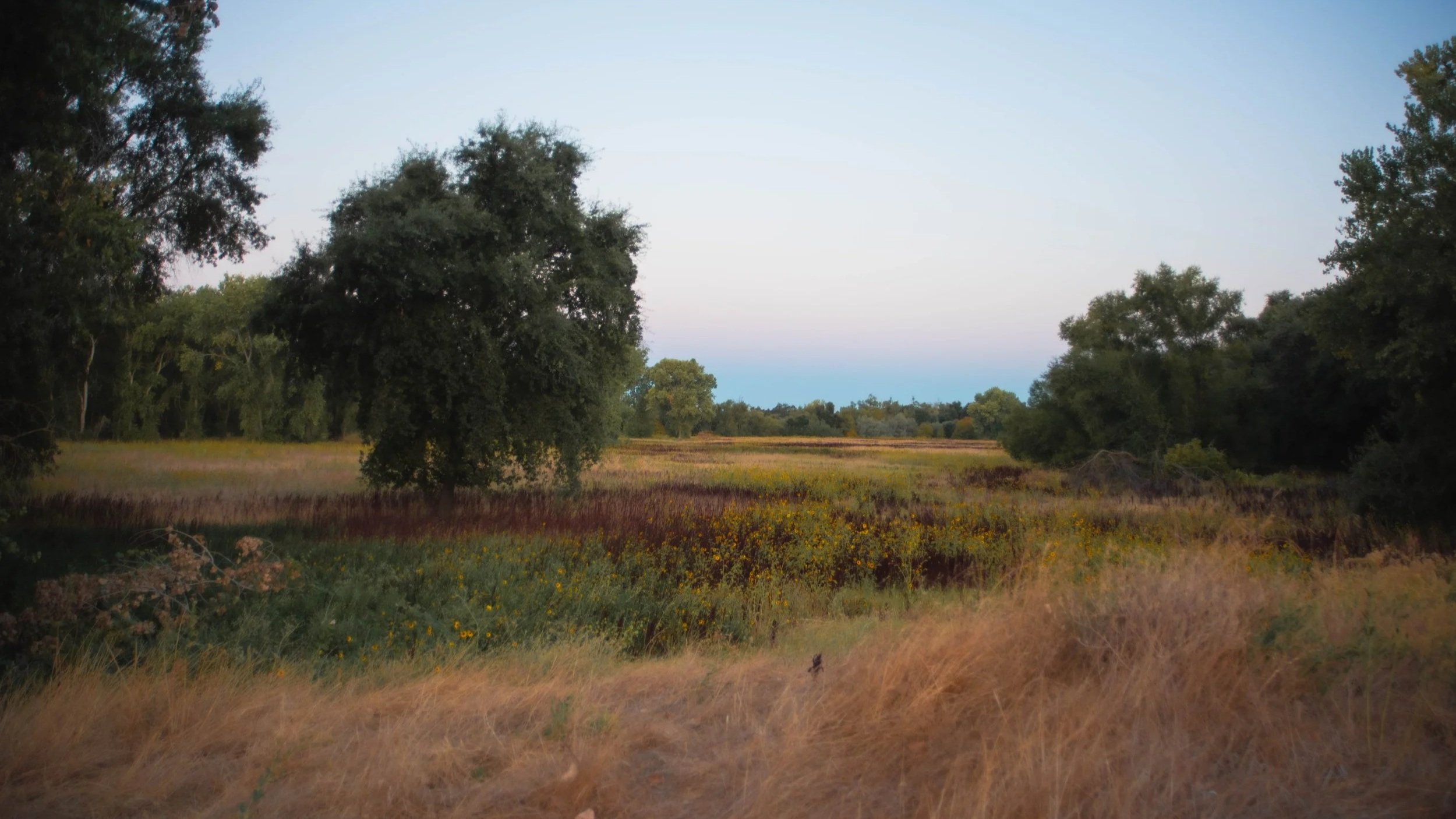
September 1st means something to California hunters. Before the quail season, before the pheasant opener, before the first chukar trip gets planned — there's dove. It's the most widely hunted upland bird in the state, and for good reason: the season opens in the heat of late summer, the birds are everywhere, and an afternoon in a cut grain field with a few friends is as good an introduction to wing-shooting as the sport offers. It's also harder than it looks.
Here's how to hunt doves in California, from where to find them to what to bring.
The Birds
California hosts two huntable dove species. Mourning doves (Zenaida macroura) are the primary bird — widespread, migratory, and found in virtually every county in the state. White-winged doves (Zenaida asiatica) are more common in the southern desert regions and the Imperial Valley, though their range has expanded northward in recent decades. Both species are legal, both are fast, and both will expose any weakness in your swing.
The season opens September 1st statewide and runs through mid-November for the first segment, with a second segment typically opening in December. Daily bag limit is 15 mourning and white-winged doves combined. Check current California Department of Fish and Wildlife (CDFW) regulations before you go — zone boundaries and dates shift.
Where to Hunt
NorCal: Sacramento Valley Floor
The Sacramento Valley is some of the best dove country in the western United States. Sunflower fields, harvested grain, and the network of irrigation canals and stock ponds that lace the valley floor create ideal conditions — food, water, and loafing cover within a short flight of each other. Focus on Colusa, Glenn, Tehama, and Butte counties. Gray Lodge Wildlife Area, the Delevan complex, and BLM parcels along the valley edges all hold birds and offer public access. Early season birds here are locals; by late September the migrants start moving through.
Central California: San Joaquin Valley
The San Joaquin Valley produces big dove numbers, particularly around harvested sunflower and grain fields in Fresno, Kings, and Tulare counties. Water is the key variable — find a stock pond or irrigation canal adjacent to a food source and you've found a flight path. Public access is tighter here than in the north, so scout BLM parcels and check with local hunting clubs about guest access.
SoCal: Desert Regions and Imperial Valley
Southern California dove hunting centers on the desert regions — the Imperial Valley, Coachella Valley, and eastern San Diego County hold both mourning and white-winged doves in good numbers. White-winged doves peak early, often the first two weeks of September. Water sources are everything in the desert; birds will flight to stock tanks and canals on a predictable schedule morning and evening. The Salton Sea area and surrounding agricultural land consistently produce.
Tactics
Dove hunting is fundamentally about pattern recognition. Birds move between roost, food, and water on a schedule, and your job is to figure out the flight path and put yourself on it.
Work the food source. Harvested sunflower, milo, and grain fields attract doves like nothing else. Permission to hunt private agricultural land is worth pursuing — introduce yourself to landowners before the season and you'll find more doors open than you expect.
Find the water. In warm early-season conditions, birds will flight to water mid-morning and again in the afternoon. A stock pond or canal with open approaches and nearby perch trees is a reliable ambush point.
Use the wind. Doves land into the wind and prefer to approach from predictable directions. Set up with the wind at your back and birds coming toward you.
Decoys work. A dozen dove decoys on a bare branch or spinning-wing decoy near a water source will pull birds into range that might otherwise pass wide. Don't overcomplicate the spread.
Move if it's slow. Unlike quail hunting, where patience in known cover pays off, dove hunting rewards mobility. If birds aren't coming to you, find where they're going.
Gear
Dove hunting doesn't require much, which is part of its appeal. Here's what actually matters:
Shotgun. A 12- or 20-gauge with a modified or improved-cylinder choke is the standard setup. Doves aren't large birds, but they're fast and you'll be taking crossing and overhead shots — a tighter choke than you think you need is a common mistake.
Shells. No. 7.5 or No. 8 is the standard. Bring more than you think you need — dove hunting is a humbling exercise in shell consumption.
Clothing. Early September in the Sacramento or San Joaquin Valley is hot. Lightweight, breathable clothing in tan/olive or camo. A hat is non-negotiable. Sunscreen. A cooler with water in the truck.
Stool or chair. You'll be sitting in one spot for stretches of time. A low hunting stool or folding chair keeps you comfortable and lower profile than standing.
Retriever. Not required, but a dog that will mark and retrieve doves in warm cover saves birds and saves walking. If you're hunting near water, a flushing dog doubles as a retriever.
Shooting Tips
Doves are the best wing-shooting teachers in California, largely because they'll show you every mistake you're making.
Lead more than you think. The most common miss on doves is behind — they're faster than they appear and their erratic flight path fools your eye. Commit to a lead and follow through.
Pick one bird. Flocks create the illusion of easy shots. Pick a single bird, focus on it, and ignore the rest. Flock-shooting produces clean misses.
Swing through, don't stop. A stopped gun is a missed bird. Keep your swing moving through the shot and past it.
Call your shots. After each shot, say aloud whether you hit or missed and where you think you hit. It accelerates learning faster than any other single habit.
If you're heading into quail season with a wing-shooting rust problem, a dove opener is the cure — or at least the honest diagnosis.
See also:
California Quail: A Species Deep Dive
E-Scouting NorCal Upland Public Land Before the Season